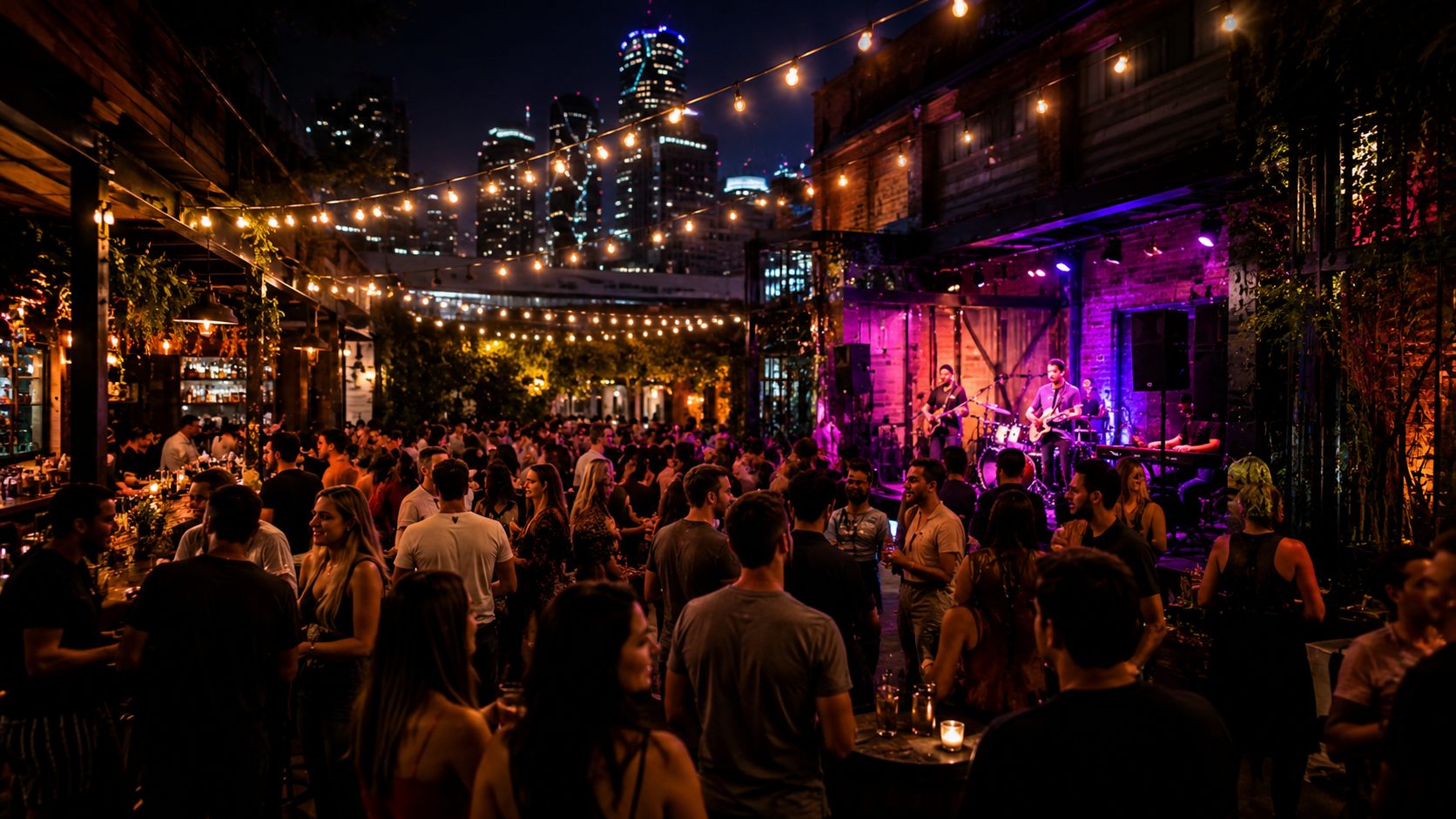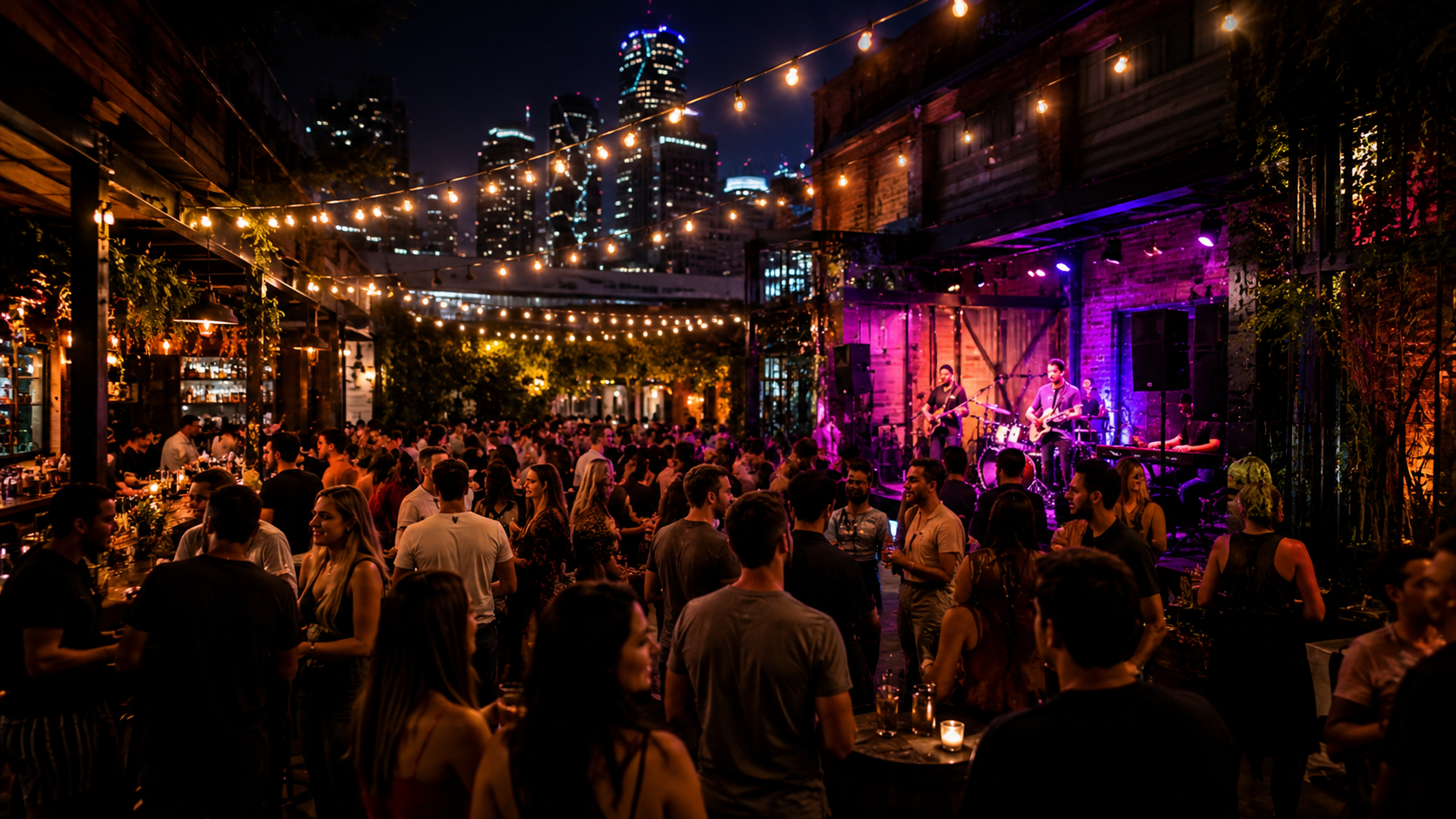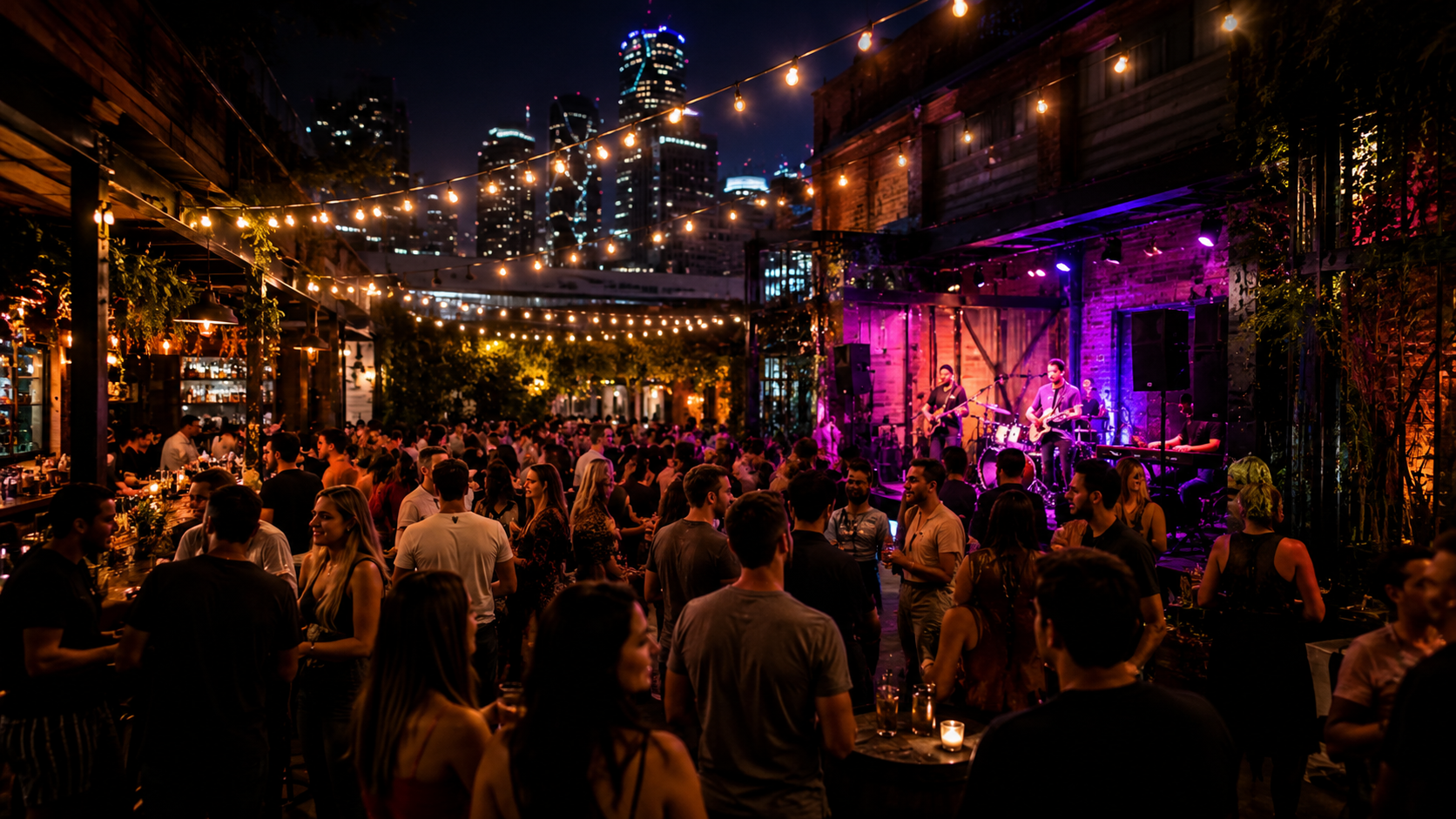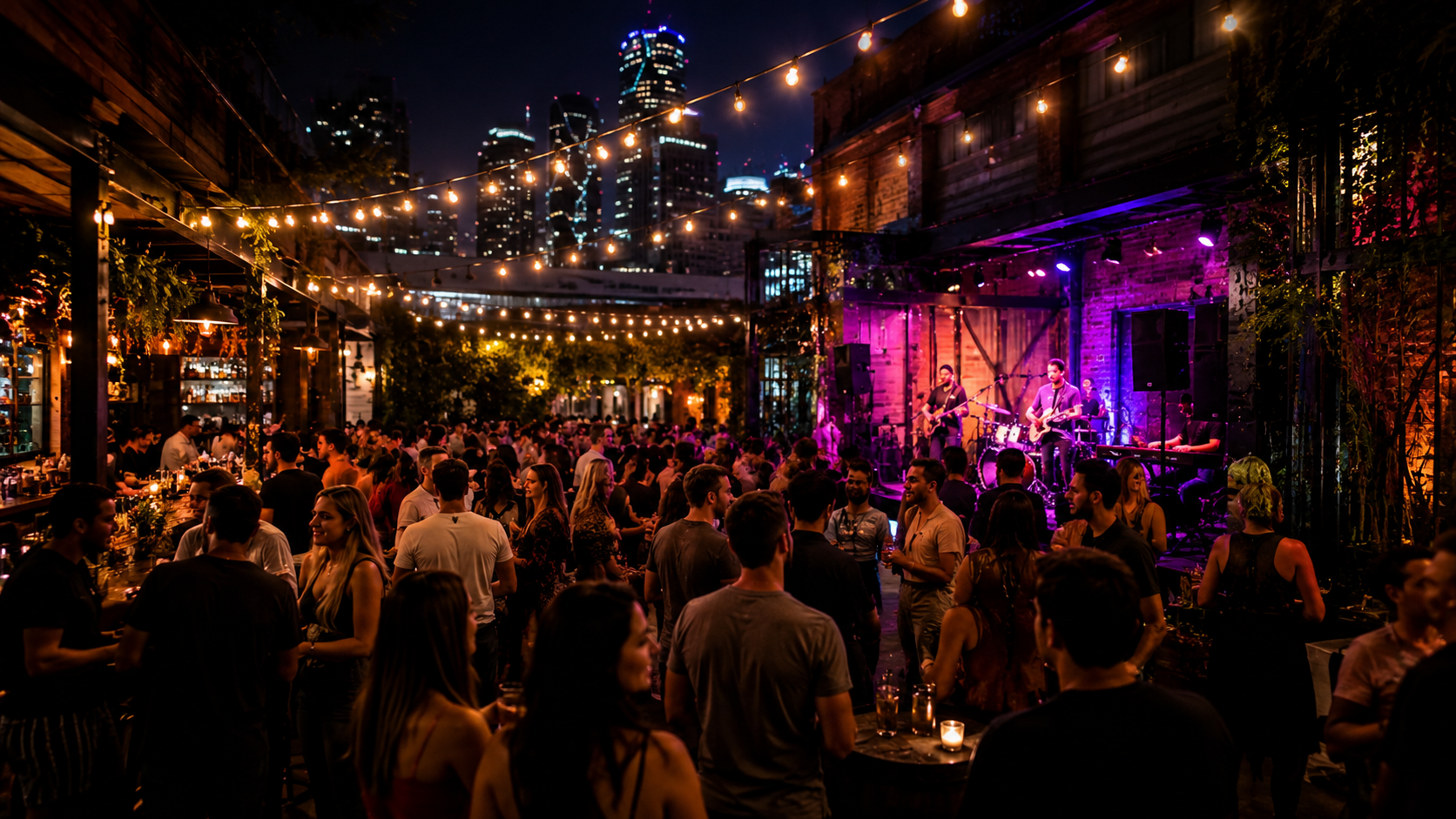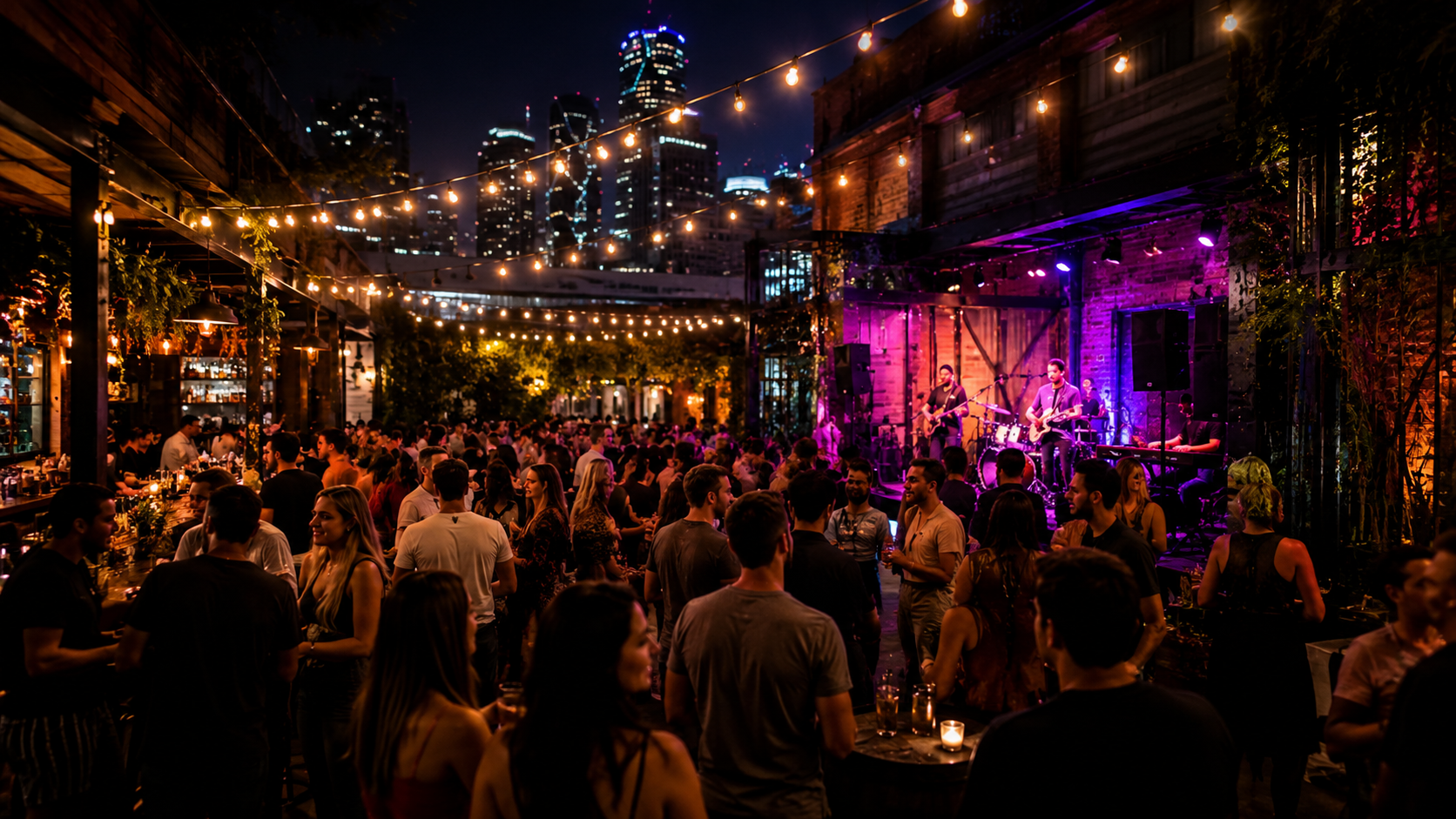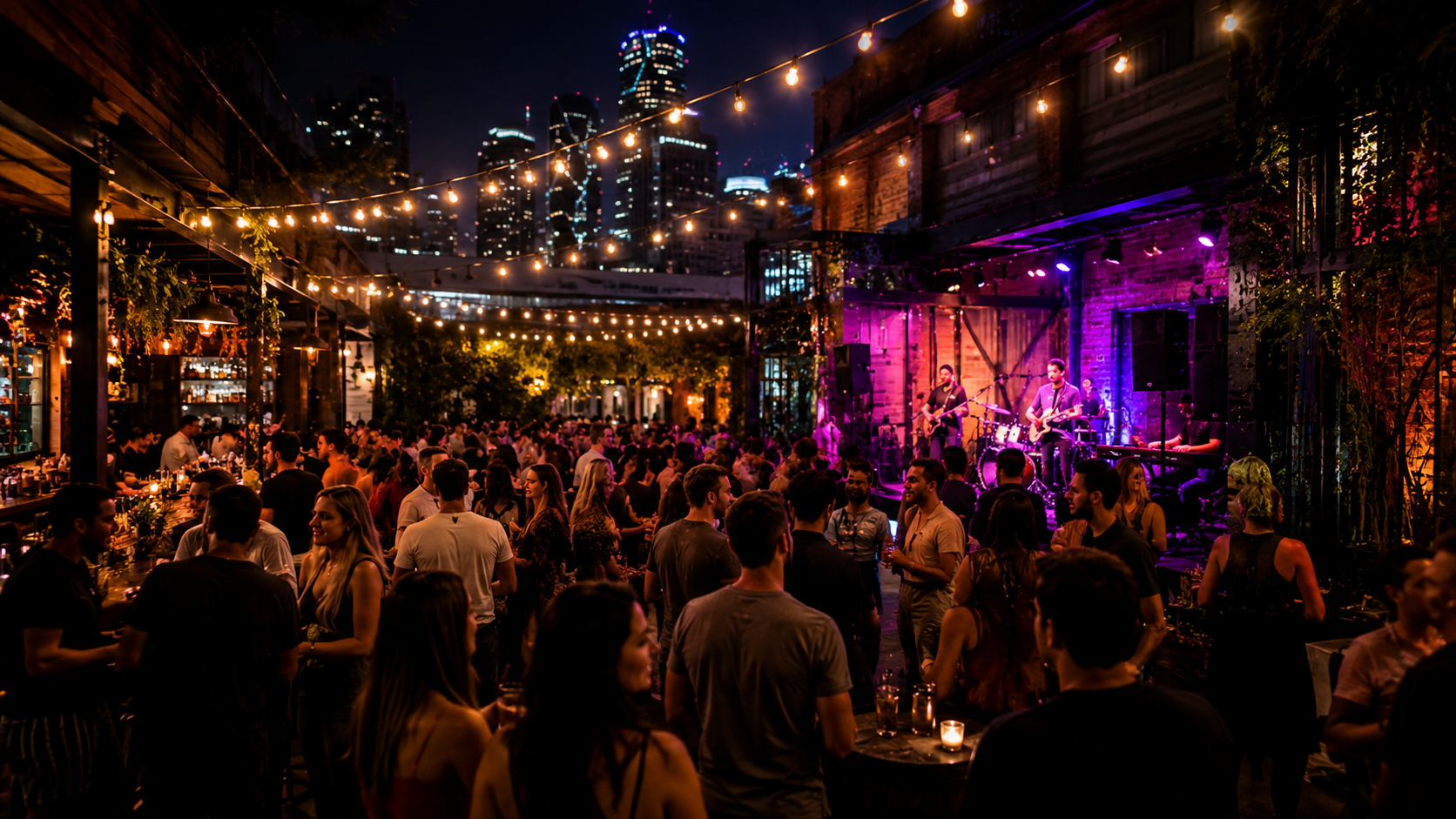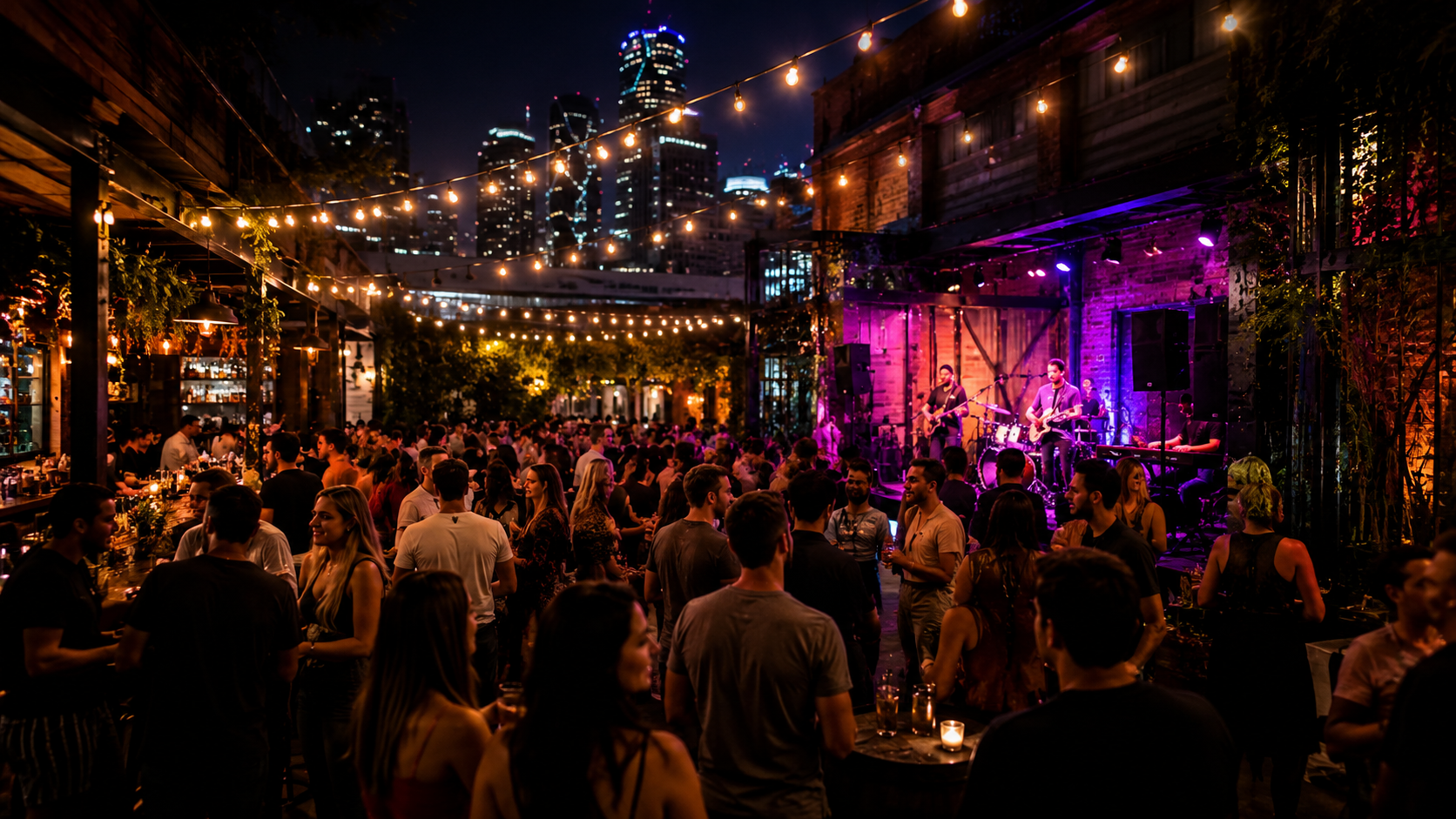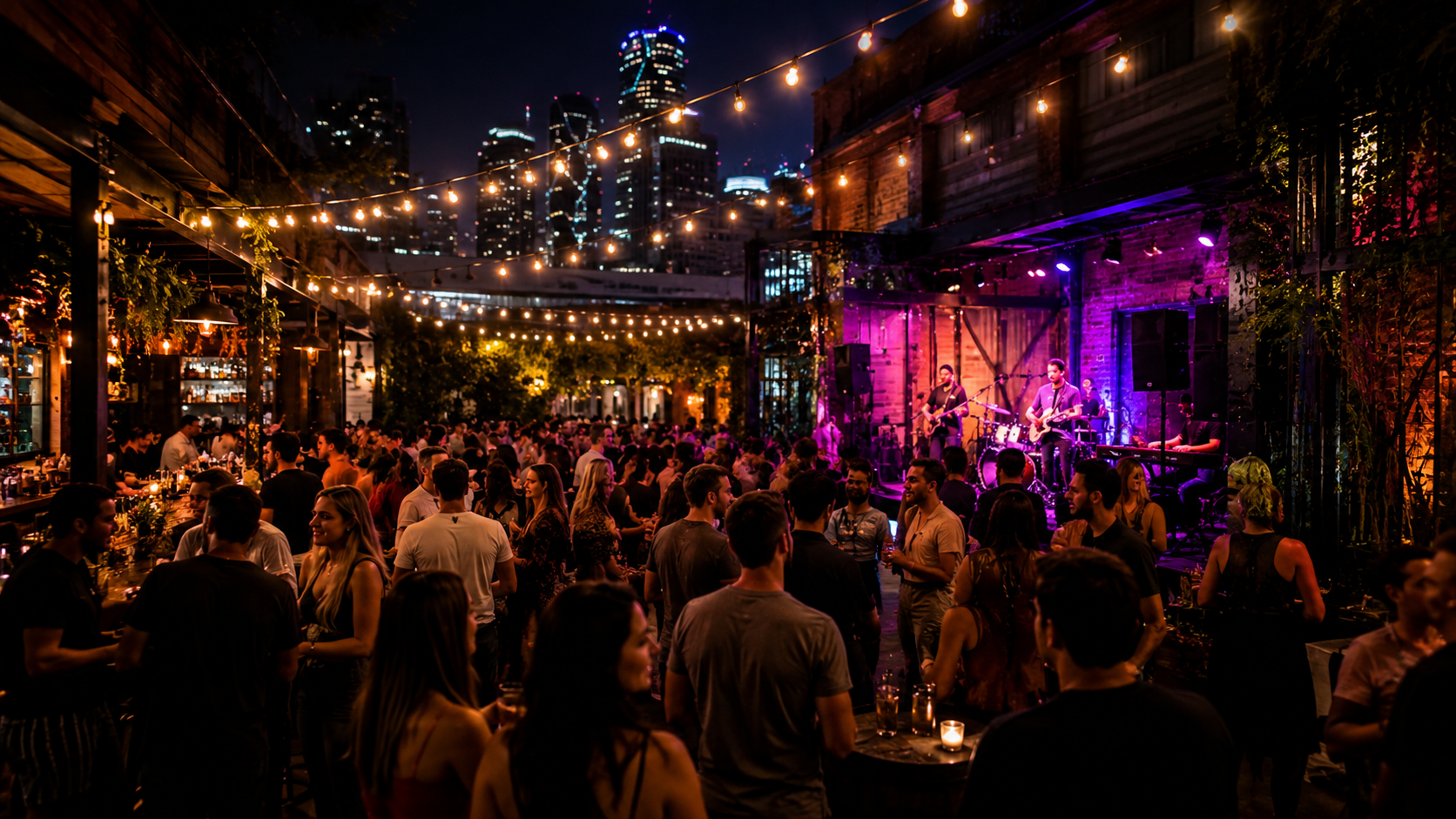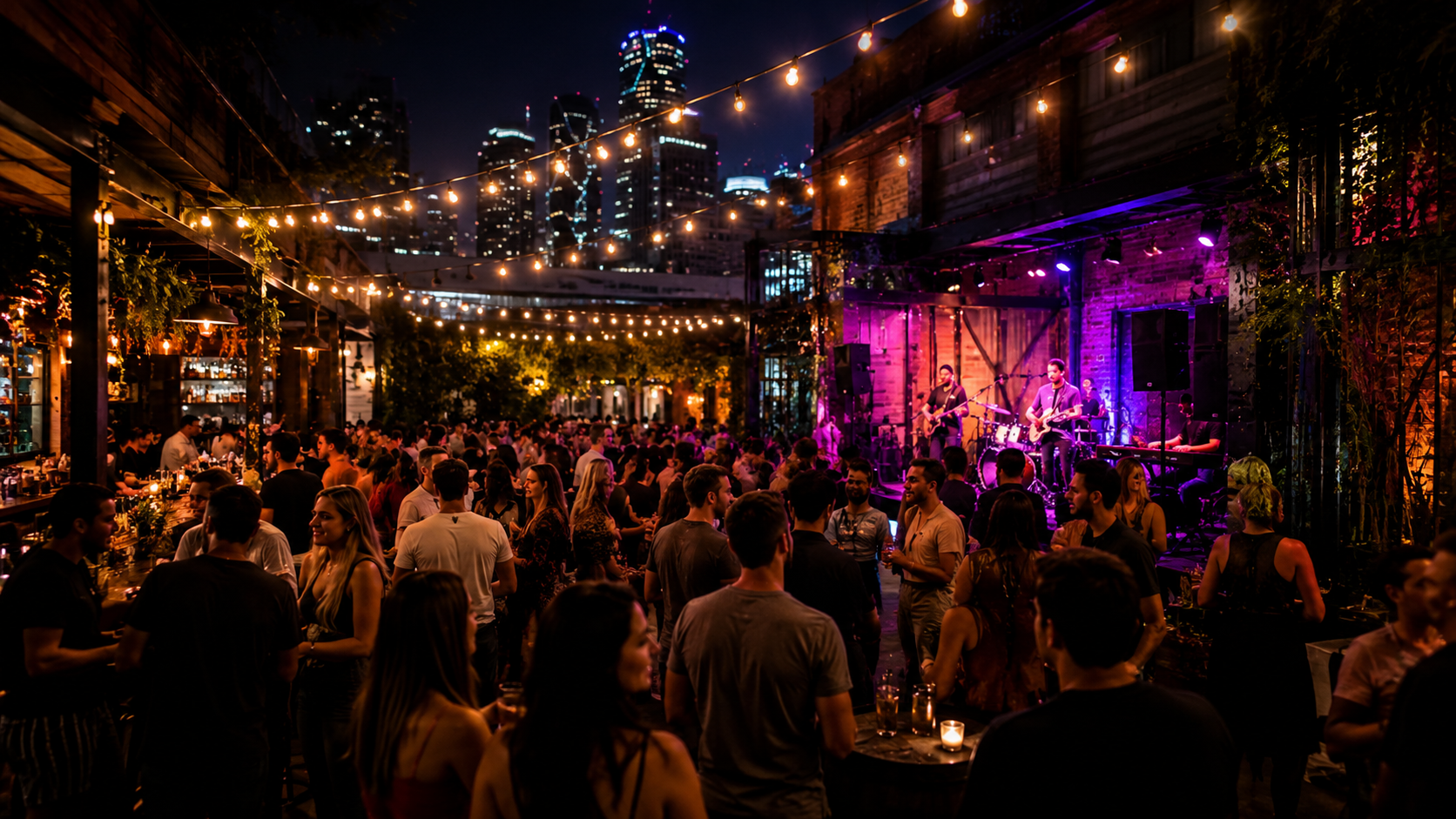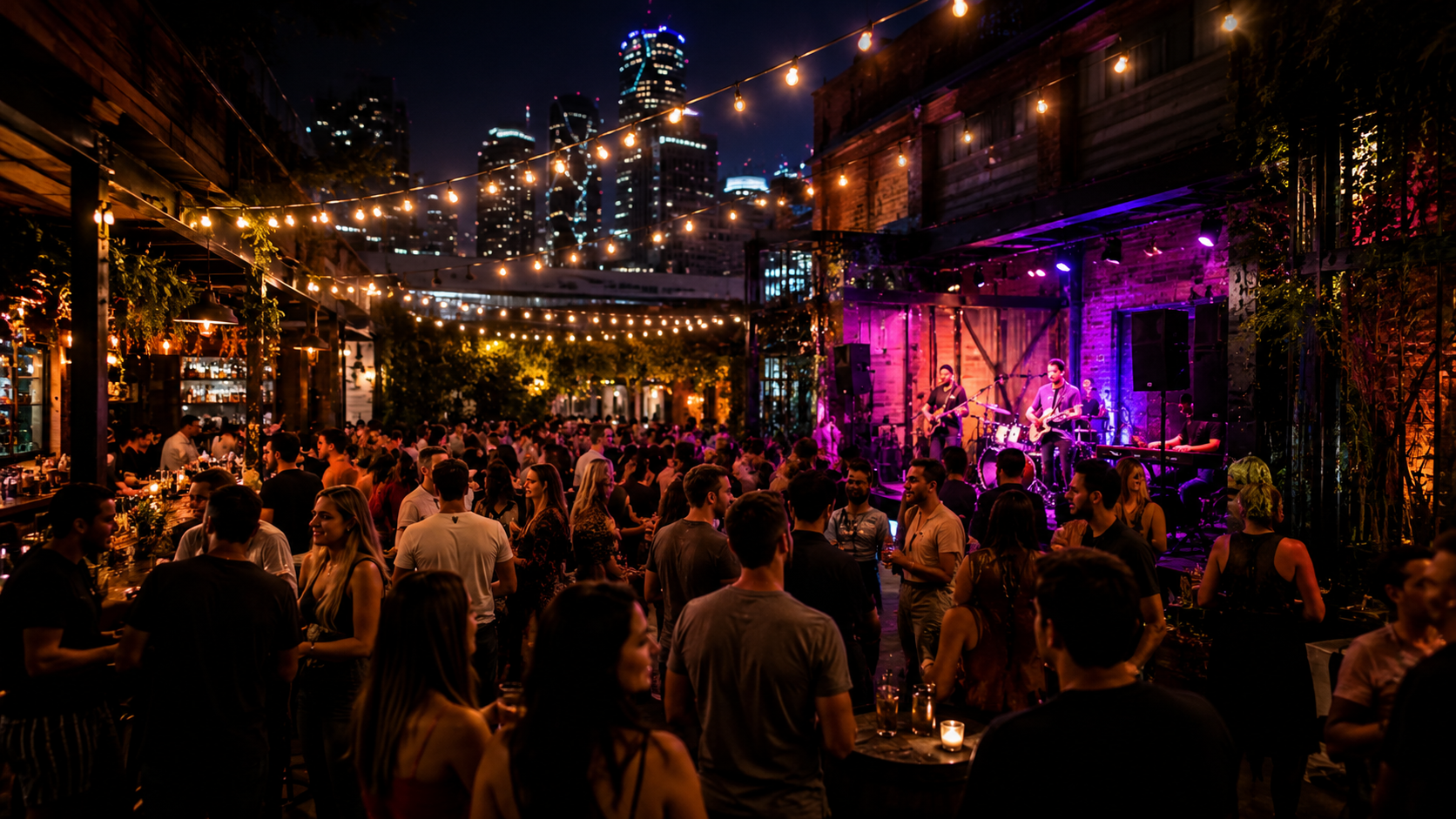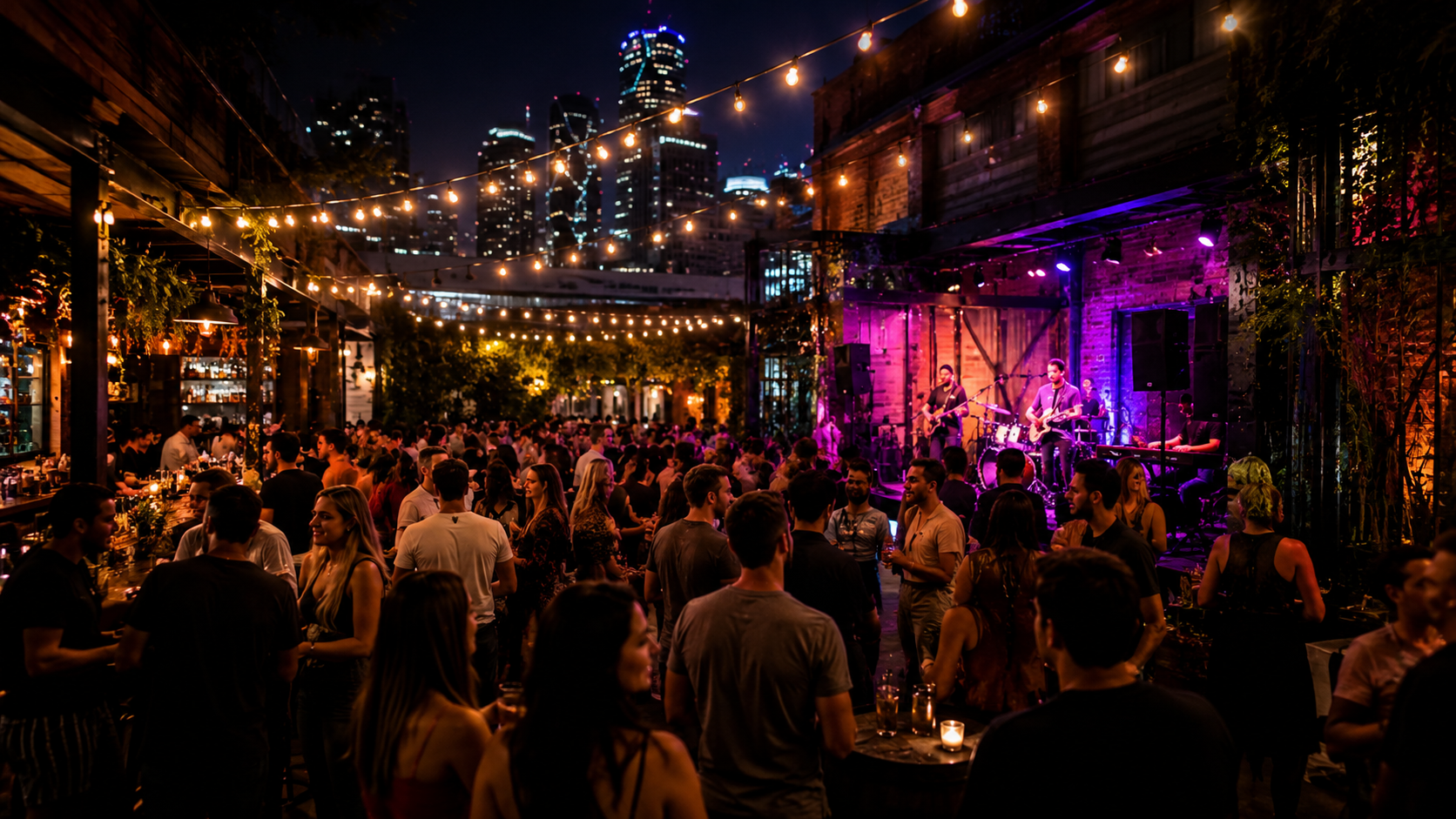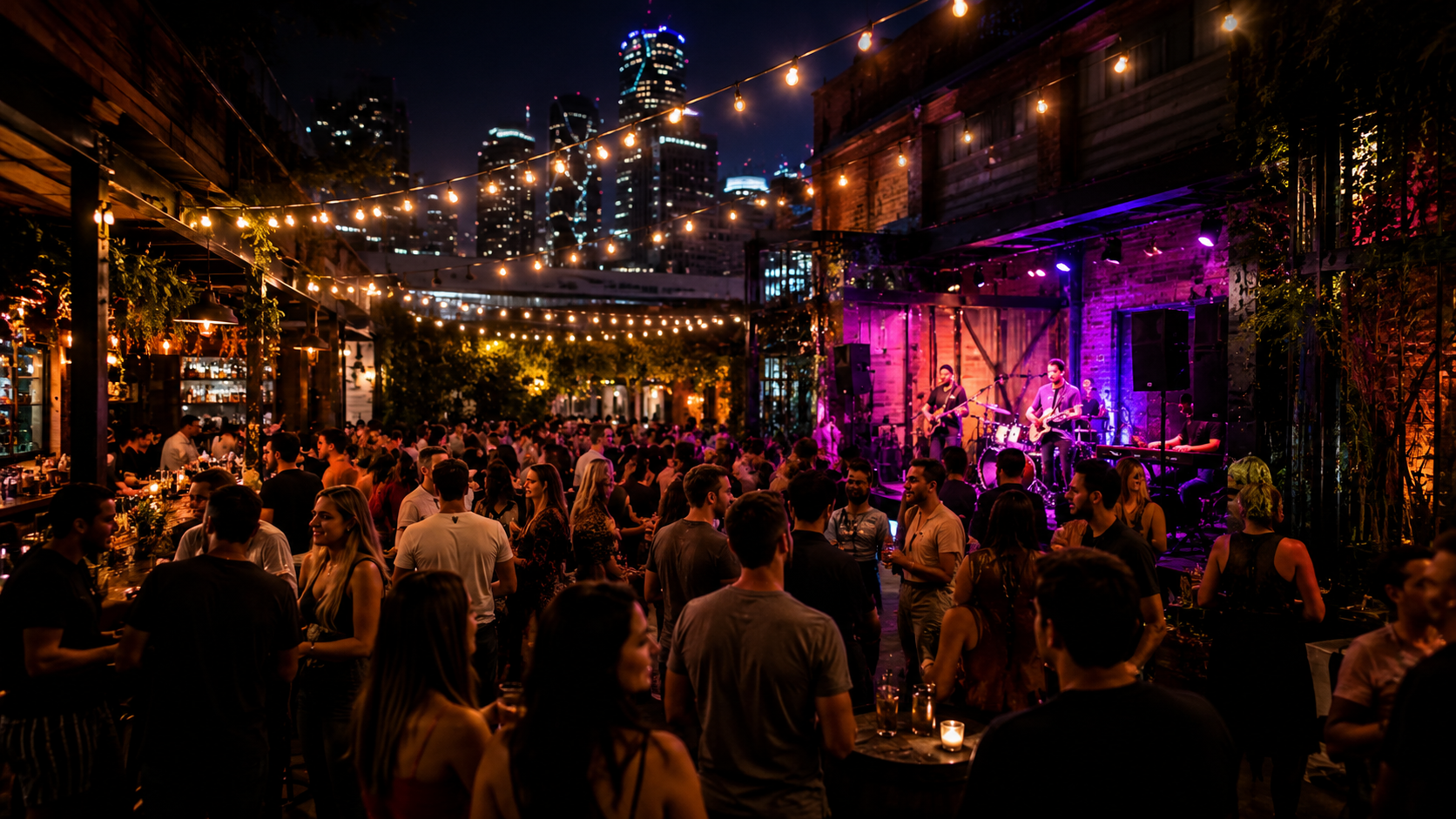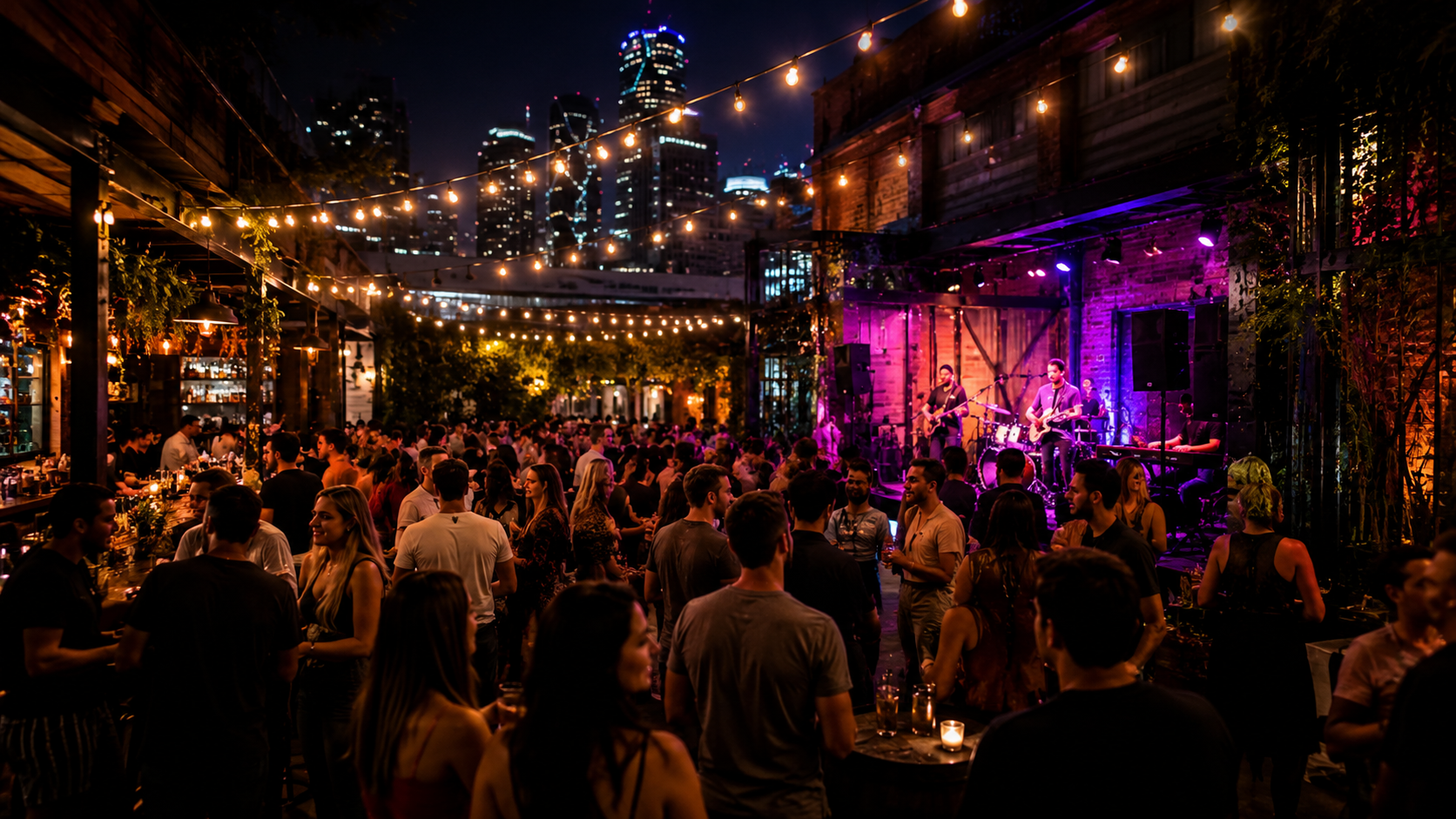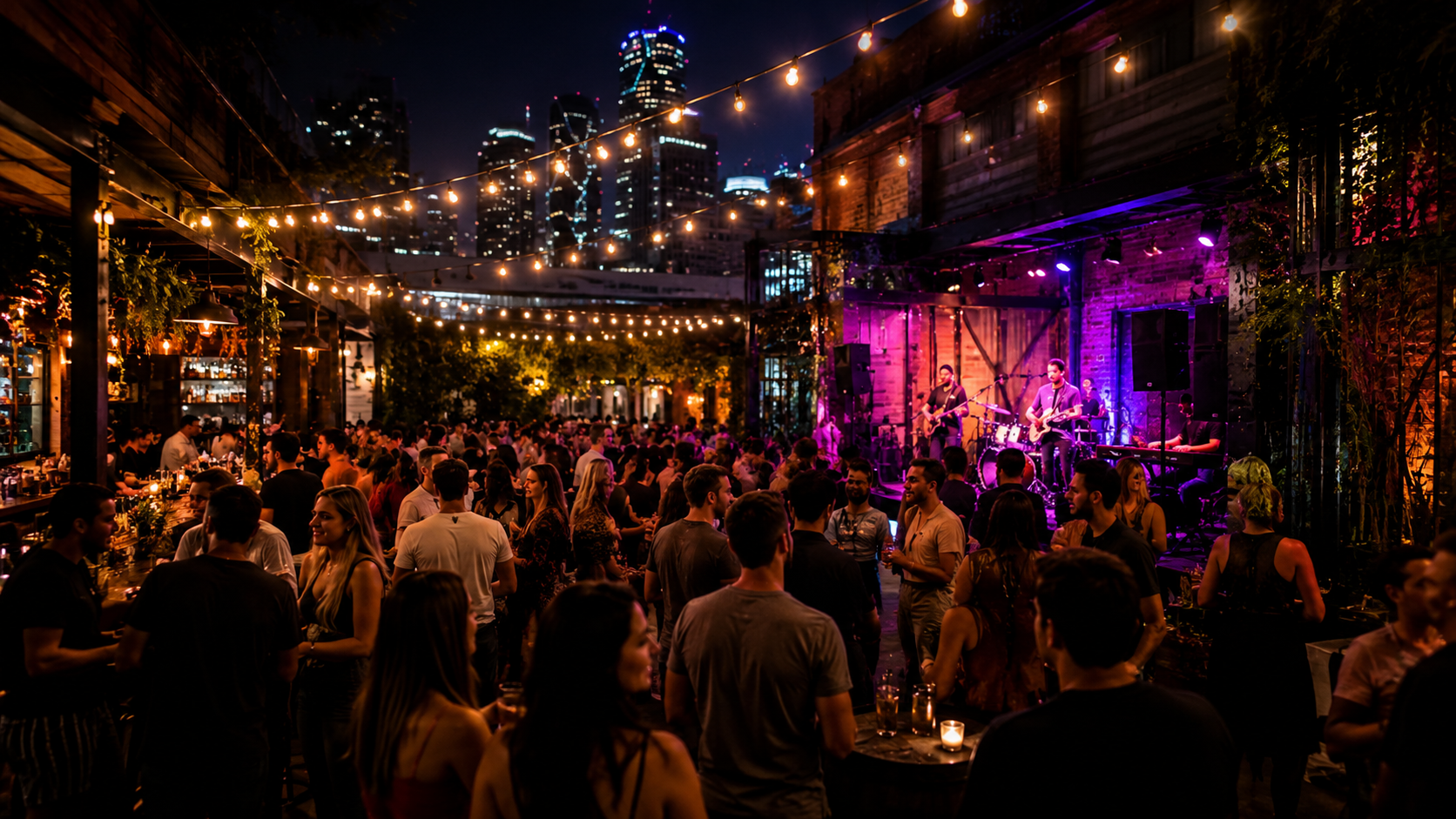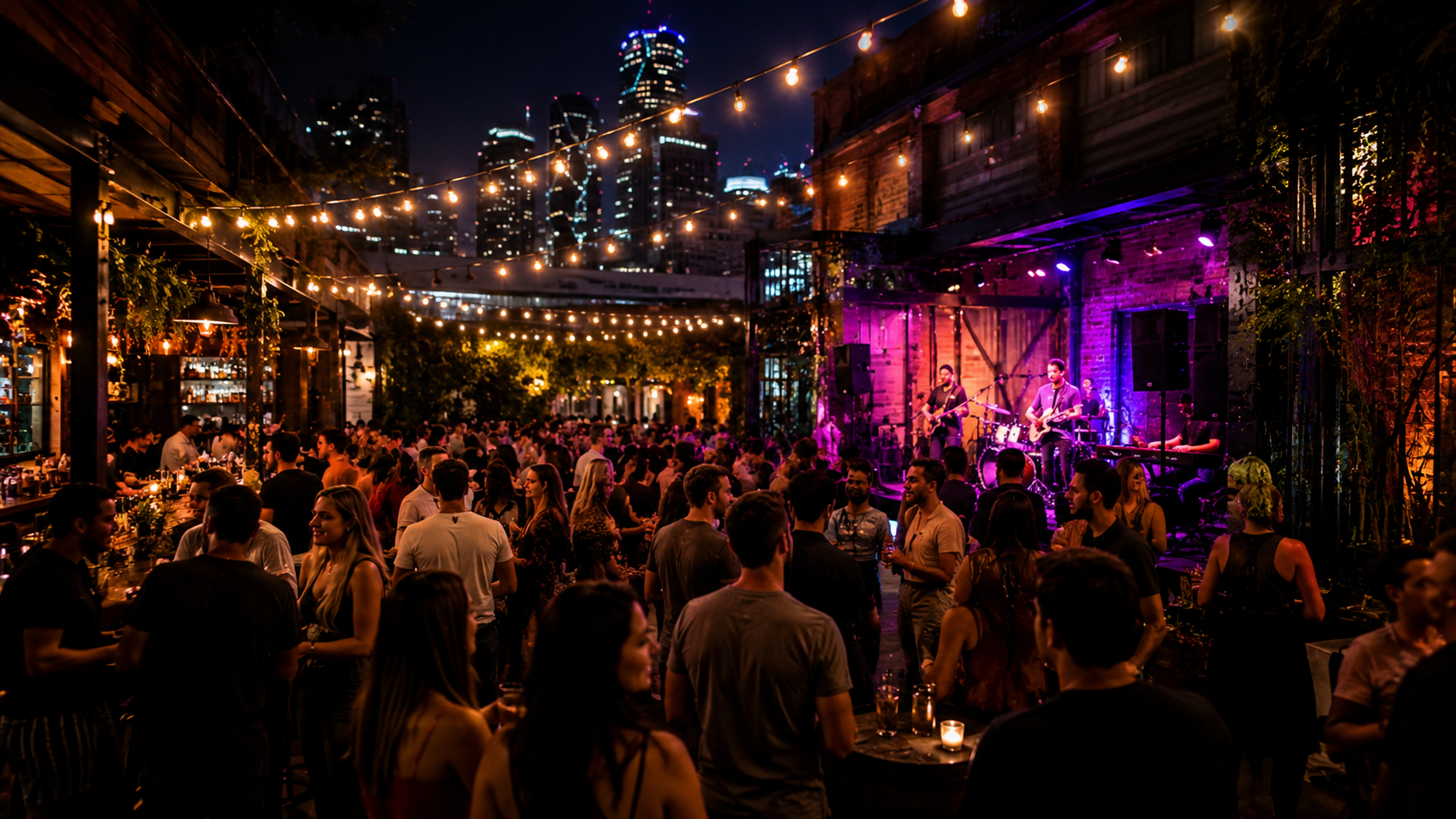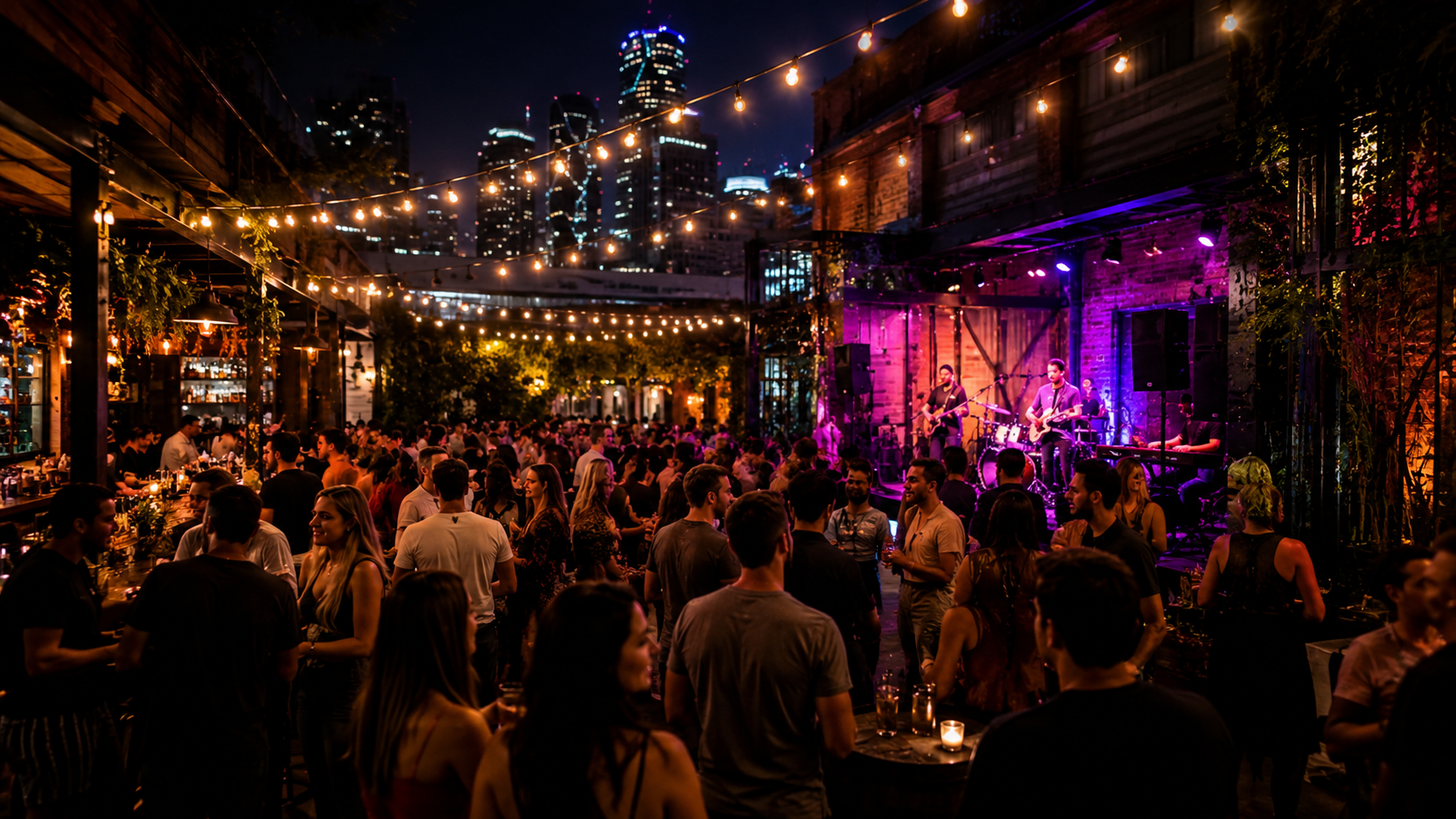
Venue directory

Brisbane venues for live music, nightlife and events

Browse featured live music rooms, clubs, bars and event spaces around Brisbane. Each venue profile links through to upcoming events where available.

Brisbane Entertainment Centre
Arena

Brisbane Entertainment Centre

πŸ“ Boondall Β· Featured

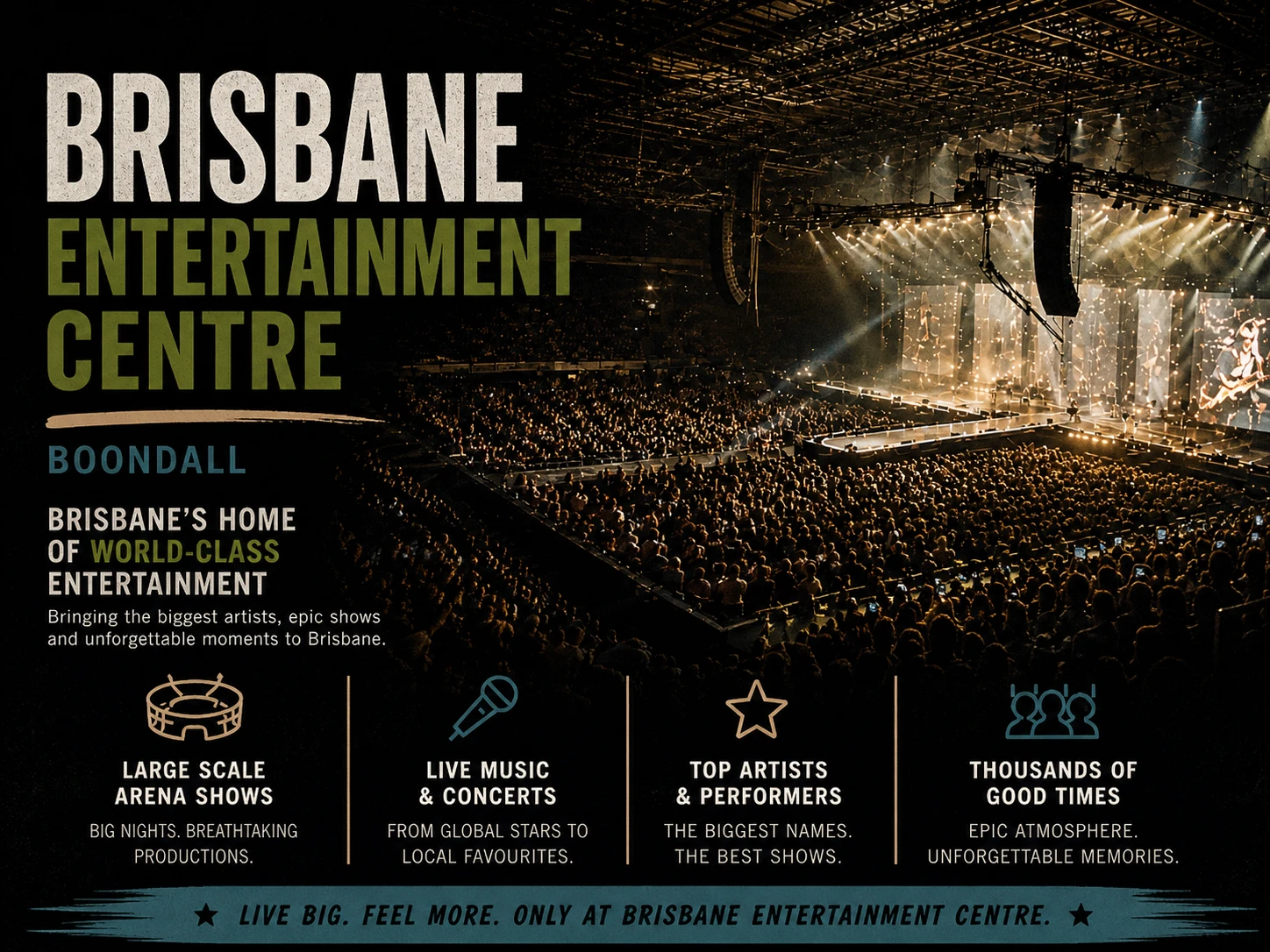
The Brisbane Entertainment Centre isn't Brisbane's coolest venue. It's Brisbane's biggest memory factory. If you're from Queensland, there's a decent chance some of the largest shows you've ever seen happened here. For almost 40 years, this giant concrete arena sitting out in Boondall has been where Brisbane goes when a tour becomes too big for everything else. Michael Jackson, Metallica, Taylor Swift, AC/DC, P!NK, BeyoncΓ©, Drake, Elton John, Cold Chisel β€” eventually almost everybody ends up here. The weird thing is that the building was never really supposed to become a cultural icon. When construction started in the 1980s, it was built largely around Brisbane's Olympic ambitions and designed as a multi-purpose sports and entertainment facility. The idea was functionality, not atmosphere. Nobody was trying to build some legendary music venue. They were building a giant indoor arena that could handle whatever got thrown at it. Somehow that ended up becoming one of the most important venues in Australian entertainment history. Unlike venues such as The Tivoli, The Triffid or Fortitude Music Hall that feel connected to Brisbane's nightlife scene, the Entertainment Centre exists in its own universe. You don't casually wander past it. You don't end up there accidentally. You make the pilgrimage. You get on a train packed with fans wearing band merch. You sit in traffic on the Gateway. You join thousands of people walking toward this enormous arena rising out of the Boondall wetlands. The scale is part of the experience. By the time you get inside, it already feels like an event. And when the room is full, it still hits differently. The lights drop, 13,000 people lose their minds at once, and suddenly Brisbane feels like a major international city instead of a place tours occasionally remember exists. That's been the Entertainment Centre's role for decades. It's the venue that allows Brisbane to play in the same league as Sydney, Melbourne, London, Los Angeles or Tokyo when global arena tours come through. A lot of Brisbane's biggest music moments happened inside this building. Michael Jackson performed here during the Bad World Tour. Australian Gladiators was filmed here. Australian Idol took over the arena during peak reality television madness. Metallica set attendance records. P!NK played so many shows here she's practically part of the venue's history at this point. The venue isn't perfect. Everyone complains about getting out afterwards. The parking queues are legendary. Rideshares become chaos after sold-out shows. It's nowhere near the nightlife of Fortitude Valley. But none of that really matters when the show starts. Nobody buys a ticket to Brisbane Entertainment Centre because it's convenient. They buy one because that's where the massive tours go. What's interesting now is that the venue sits in a strange position within Brisbane's future. With the 2032 Olympics approaching and new entertainment infrastructure being planned, questions keep appearing about what happens next. Some people see it as ageing. Others see it as irreplaceable. Despite being nearly four decades old, it still ranks among the world's most successful mid-sized arenas and continues pulling major international tours into Queensland. For a lot of Brisbane locals, the Entertainment Centre isn't really about architecture or nightlife. It's about moments. It's where you saw your first arena concert. Your first international artist. Your loudest crowd. Your biggest encore. The venue itself was never supposed to be the star. The shows were. And for nearly 40 years, that's exactly why it worked.
Brisbane Powerhouse
Arts / Music

Brisbane Powerhouse

πŸ“ New Farm Β· Featured

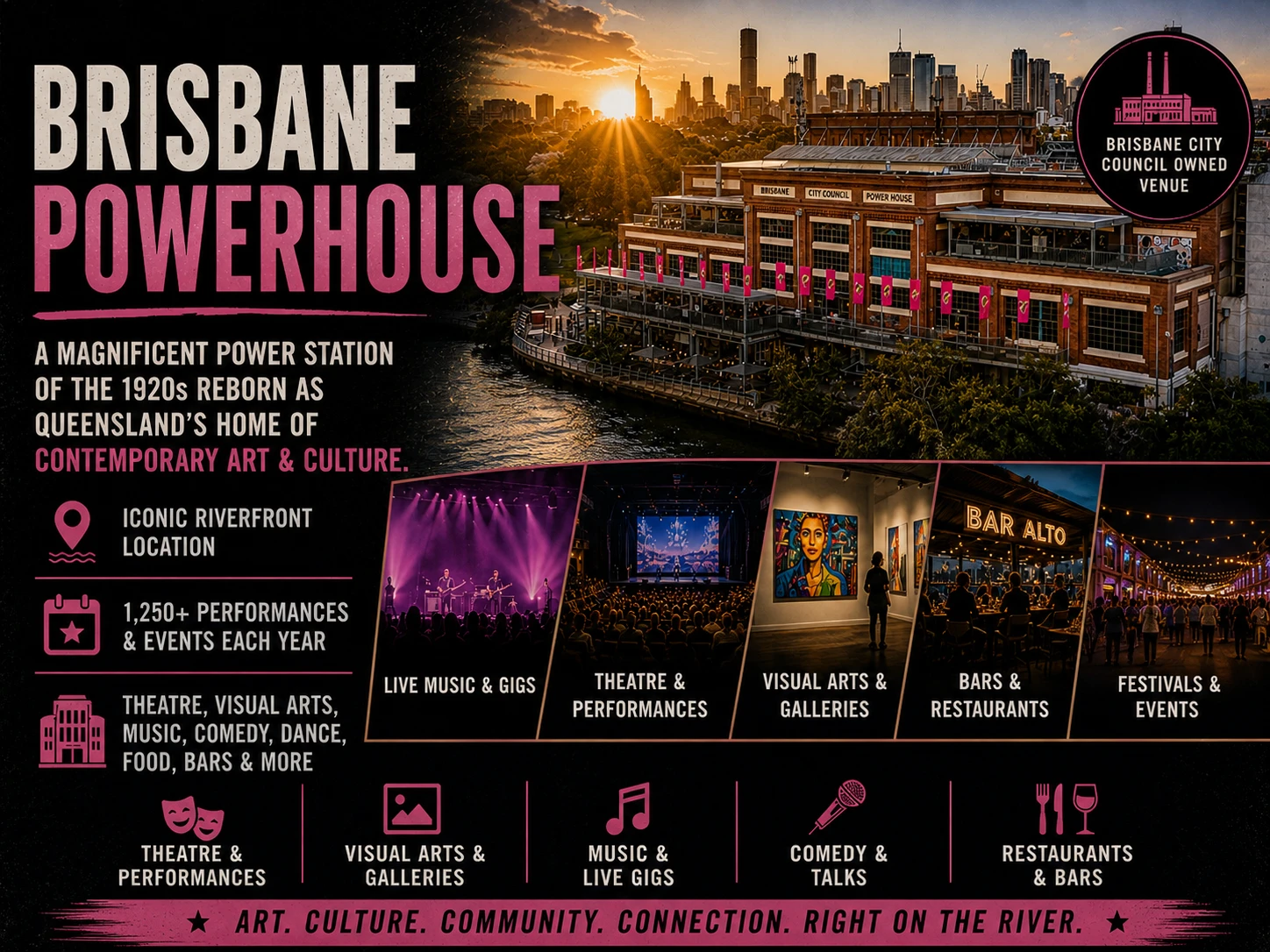
Brisbane Powerhouse is what happens when Brisbane accidentally creates something cooler than it intended. What started life as a brutal industrial power station pumping electricity into Brisbane’s tram network spent decades sitting abandoned on the edge of the river, covered in graffiti, attracting photographers, artists, skaters, squatters and the kind of people who usually get told to leave places. Instead of demolishing it, Brisbane eventually turned it into one of the city's most unique cultural venues. Unlike almost every modern entertainment venue in Australia, Brisbane Powerhouse doesn't try to hide its history. Rusted steel, exposed brickwork, giant concrete walls, old machinery infrastructure and decades of graffiti remain part of the building itself. Walking through the venue still feels like you're inside a forgotten industrial relic that somehow evolved into a theatre. The venue sits at the far end of New Farm Park directly on the Brisbane River, which gives it an atmosphere most music venues simply can't compete with. Before a show you'll find people drinking on the riverfront, eating at the surrounding bars, sitting under the jacarandas or watching the CityCats move through the river while the CBD skyline lights up behind them. Programming is where the Powerhouse separates itself from the rest of Brisbane's venue scene. You're just as likely to walk into an international comedy festival, an experimental theatre production, a jazz performance, an underground electronic show, a film screening or a cultural festival as you are a traditional concert. It feels less like a venue and more like Brisbane's creative headquarters. For a lot of locals, the Powerhouse represents the version of Brisbane that emerged after the city's conservative reputation began fading away. It's one of the places that helped transform Brisbane from a city people left for culture into a city that started creating its own. The best way to experience it is at night. The old power station glowing beside the river, ferries moving past, music spilling from different rooms and the city skyline sitting across the water is about as close as Brisbane gets to having a genuinely iconic cultural atmosphere. That style works better for SEO too because it's distinctive. Google has thousands of pages saying "premier arts venue featuring diverse programming". Very few pages explain why the venue actually matters to the city.

The Fortitude Music Hall
Live Music

The Fortitude Music Hall

πŸ“ Fortitude Valley Β· Featured

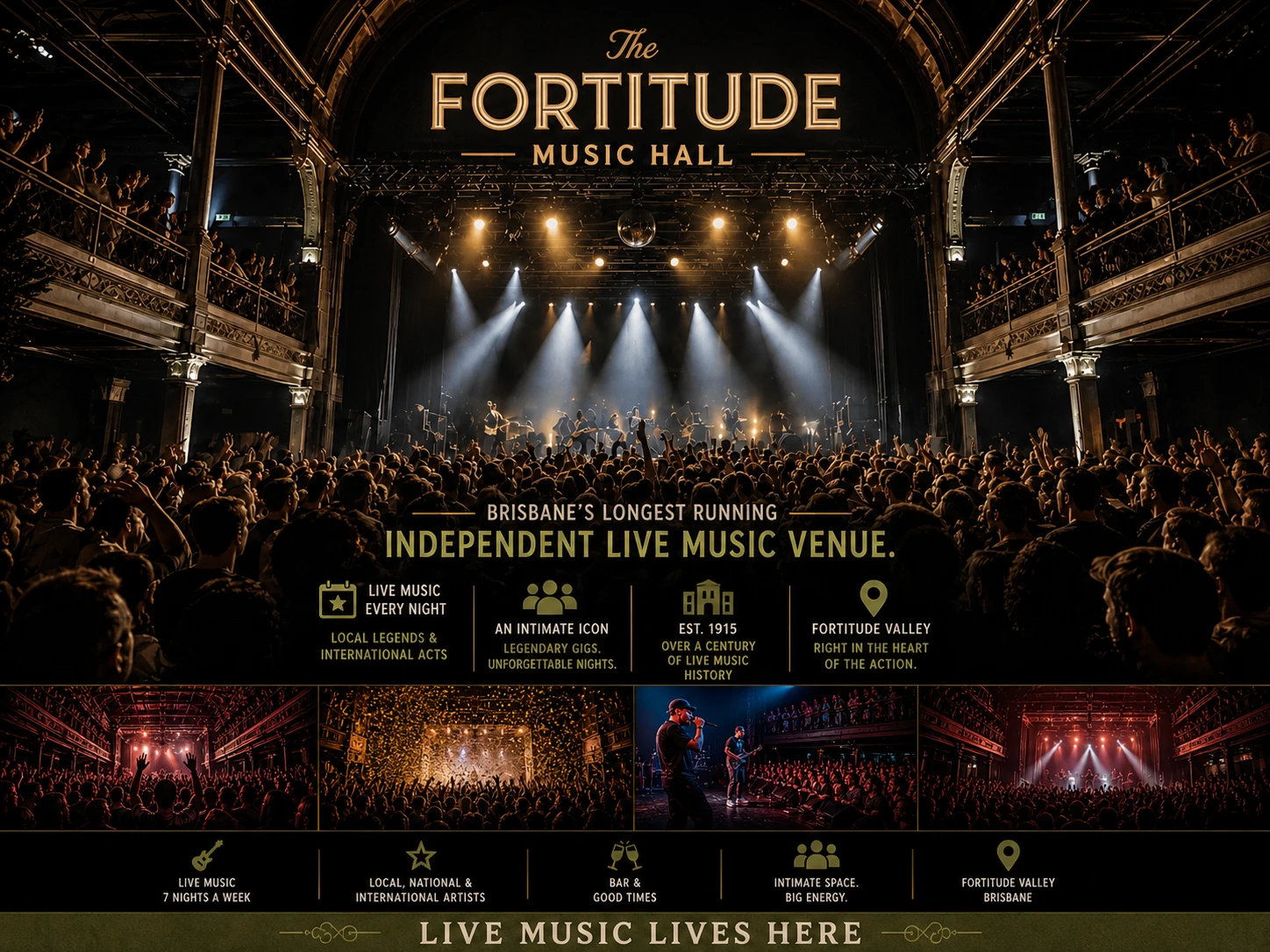
Fortitude Music Hall feels like Brisbane finally decided to stop acting like a country town. For years, Brisbane had a problem. Big international artists would either skip the city entirely or get pushed into awkward venues that were too small, too old, too far away, or completely lacking atmosphere. Ever since Festival Hall was demolished in 2003, there was a hole in Brisbane's music scene that nobody seemed willing to fill. Then Fortitude Music Hall arrived and basically changed the conversation overnight. The venue sits right in the middle of Brunswick Street Mall where the chaos of Fortitude Valley is already happening around it. You walk out of a sold-out show and immediately step into bars, clubs, laneways, late-night food spots and whatever weird thing is happening in the Valley that night. Unlike arena venues where you're trapped in a giant carpark afterwards, Fortitude Music Hall feels connected to the city around it. That's a huge part of why it works. Inside, the room feels like somebody took inspiration from old-school American theatres, classic rock venues and Brisbane's lost music history, then rebuilt it with modern sound and production standards. Massive chandeliers hang above the floor, balconies wrap around the room, sightlines are unusually good for a venue this size, and the sound system is regularly praised by both artists and audiences. It's one of the few venues where being at the back of the room doesn't automatically feel like a punishment. What makes the venue important isn't just the building itself β€” it's what happened after it opened. Suddenly Brisbane started landing tours that previously would've skipped town. International acts that might have played one Sydney show and one Melbourne show now had a genuine Brisbane venue that made financial and logistical sense. Within a few years, the Hall became one of the most important stops on Australia's touring circuit and helped push Brisbane further into the national live music conversation. The venue was built by people who were genuinely obsessed with live music rather than developers looking to squeeze a concert room into a commercial project. Former Powderfinger bassist John Collins, Secret Sounds co-founder Paul Piticco and Hutchinson Builders chairman Scott Hutchinson all played major roles in bringing it to life. The result feels less corporate than many modern venues despite its scale. Artists regularly talk about how well the building functions backstage, how easy load-ins are and how much thought was put into the performer experience. In a city that has lost iconic venues like Festival Hall, Cloudland and more recently The Zoo, Fortitude Music Hall represents something rare: Brisbane actually building a major music venue instead of watching one disappear. If The Triffid feels like Brisbane's coolest venue and The Tivoli feels like its most loved, Fortitude Music Hall feels like the city's statement piece β€” the venue that finally gave Brisbane a room capable of matching the scale of its music scene.

THE MET BRISBANE
Club

THE MET BRISBANE

πŸ“ Fortitude Valley Β· Featured

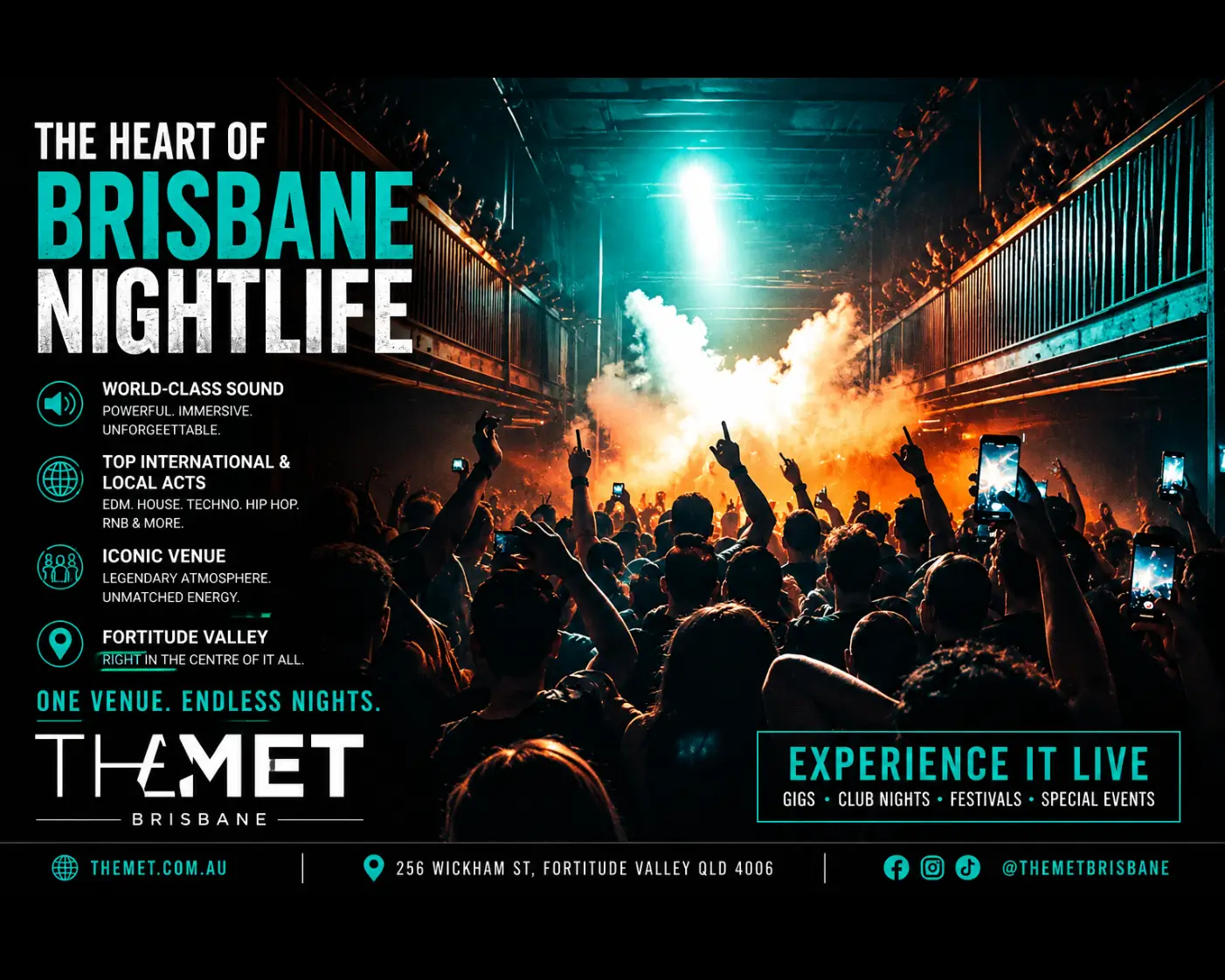
The Met isn't really a nightclub. It's Brisbane's long-running attempt at building a Las Vegas-style superclub in the middle of Fortitude Valley. Whether you love it or hate it, almost everybody who has gone out in Brisbane over the last 15 years has ended up there at least once. Opened in 2006, The Met arrived during a period when Brisbane's nightlife was becoming bigger, louder and more commercially ambitious. While many Valley venues focused on live music, indie crowds or smaller club spaces, The Met went in the opposite direction β€” massive dance floors, huge lighting rigs, multiple rooms, VIP booths, bottle service and enough production equipment to make the place feel closer to a festival afterparty than a traditional nightclub. The scale is what defines it. Most Brisbane clubs feel like bars that happen to have DJs. The Met feels purpose-built for clubbing. The venue spans multiple levels, multiple bars and enormous open dance spaces designed specifically for large crowds. On major nights, the place can feel less like a nightclub and more like a machine built entirely around loud music, flashing lights and controlled chaos. For an entire generation of Brisbane clubgoers, The Met became the place where big EDM exploded locally. Long before electronic music became completely mainstream in Australia, The Met was bringing in major international dance acts and hosting events built around the huge-room festival sound that dominated the late 2000s and early 2010s. Skrillex, Hardwell, Steve Aoki and other international electronic artists all played the venue during the peak years of the EDM boom. The club also arrived during one of the strangest periods in Brisbane nightlife history. Fortitude Valley was transforming from the rough-edged red-light district Brisbane older generations remembered into the entertainment precinct that exists today. Massive nightclubs were opening, lockout laws were looming, electronic music was exploding and the Valley was becoming one of Australia's busiest nightlife districts. The Met became one of the venues most associated with that era. What makes The Met different from venues like The Tivoli, The Triffid or Fortitude Music Hall is that nobody goes there for intimacy. Nobody talks about the acoustics. Nobody cares about the architecture. People go because they want a huge night. Big crowds. Big drops. Big production. It's one of the few Brisbane venues that fully commits to excess. Even the design reflects that mindset β€” gold finishes, oversized interiors, giant lighting installations and enough VIP sections to make it clear the venue was built for spectacle rather than subtlety. The Met has survived multiple generations of Brisbane nightlife while countless other clubs disappeared around it. Different music trends came and went. House music exploded. EDM exploded. Hip-hop exploded. Lockout laws arrived. Nightlife habits changed. Entire venues vanished. The Met somehow kept finding ways to adapt while remaining one of the Valley's most recognisable nightclub brands. These days, opinions on The Met tend to depend on what era you experienced it in. Some people remember peak EDM nights when international DJs were regularly blowing the roof off the place. Others remember chaotic university nights, questionable decisions and trying to find friends somewhere inside a crowd of two thousand people at 3am. Either way, The Met occupies a strange place in Brisbane nightlife history. It might not be the coolest venue in the city. It might not be the most respected. But when people talk about iconic Brisbane clubbing experiences from the last two decades, The Met is almost always part of the conversation.

The Princess Theatre
Live Music / Performance

The Princess Theatre

πŸ“ Woolloongabba Β· Featured

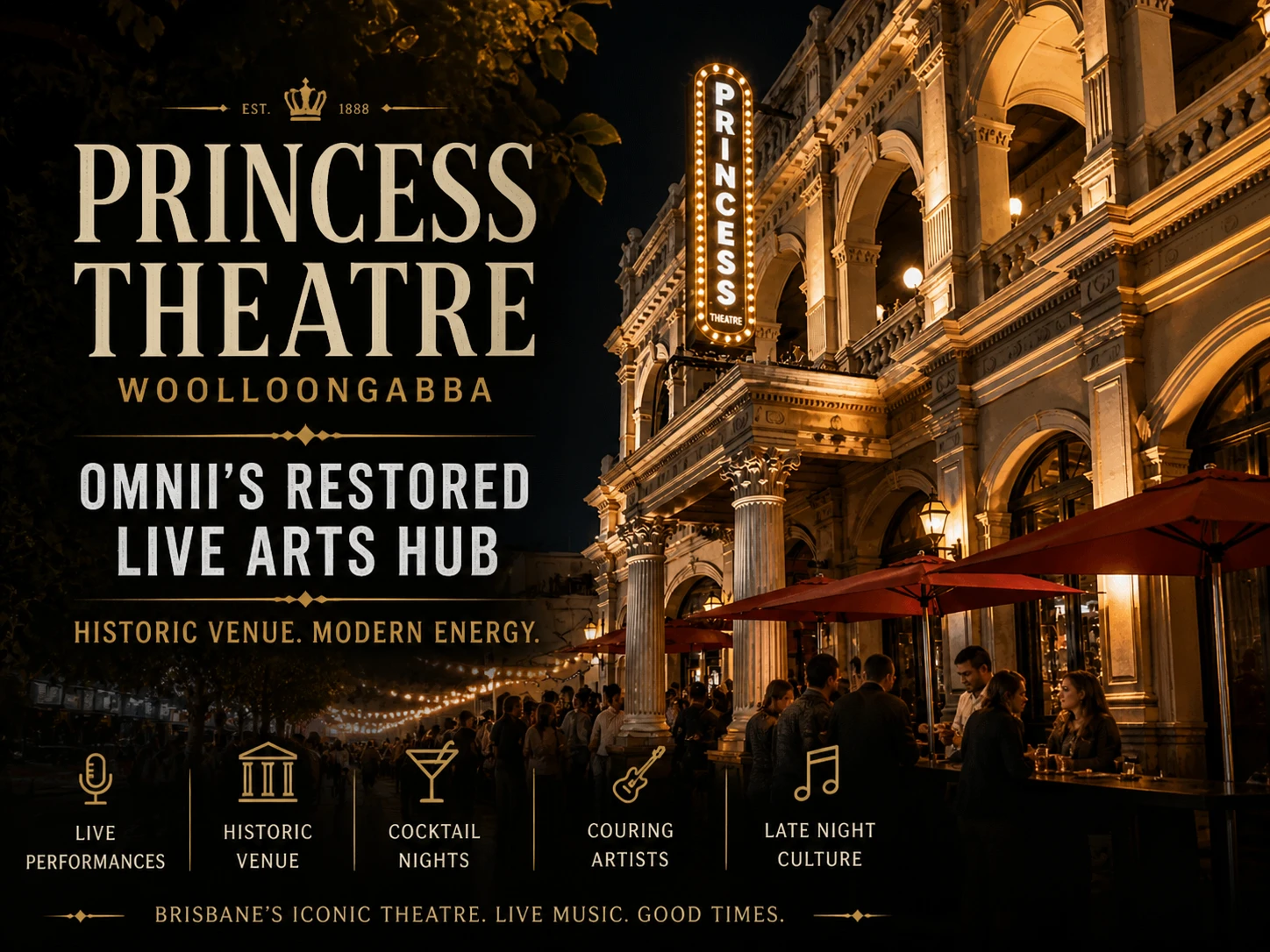
The Princess Theatre feels like Brisbane discovered a hidden piece of its own history and somehow managed not to demolish it. Sitting on the edge of Woolloongabba, the heritage-listed venue has watched Brisbane evolve for more than a century. Long before Fortitude Valley became the city's entertainment hub, before the Story Bridge existed, and before Brisbane had established itself as a major touring destination, The Princess was already hosting audiences. Originally opening in 1888, the building has lived more lives than almost any venue in Queensland. It has operated as a theatre, cinema, public hall, factory, workshop and church before eventually returning to its original purpose as a live performance venue. The fact that it survived at all is remarkable in a city that has lost so many of its historic entertainment landmarks. What makes The Princess special isn't simply its age β€” it's the way the restoration embraced the building's character rather than erasing it. Walking inside, you're immediately aware that this is a venue with history. The timberwork, high ceilings, heritage features and intimate layout create an atmosphere that feels authentic rather than manufactured. Since reopening under the team behind The Tivoli, The Princess has quickly established itself as one of Brisbane's premier mid-sized venues. The room strikes a rare balance between scale and intimacy. Large enough to attract major national and international acts, yet small enough that every performance still feels personal. The venue hosts a diverse mix of concerts, comedy shows, orchestral performances, theatre productions and cultural events, making it one of the most versatile performance spaces in Queensland. On any given week, the stage might host an indie rock band, a comedy festival headliner, a classical ensemble or a contemporary theatre production. Unlike venues located in the heart of Fortitude Valley, The Princess offers a completely different experience. There are no nightclub queues, no late-night crowds spilling across Brunswick Street and no overwhelming entertainment precinct competing for attention. Instead, the venue feels like a destination in its own right β€” somewhere people deliberately travel to experience. As Brisbane continues to grow, The Princess Theatre stands as proof that not every piece of the city's history needs to be replaced to remain relevant. It successfully blends heritage, culture and modern entertainment into one of Brisbane's most unique live performance venues. For many locals, The Princess isn't just another theatre. It's a reminder of the Brisbane that existed before glass towers and apartment developments β€” and evidence that some of the city's best venues are the ones that have already stood the test of time.

The Tivoli
Live Music / Theatre

The Tivoli

πŸ“ Fortitude Valley Β· Featured

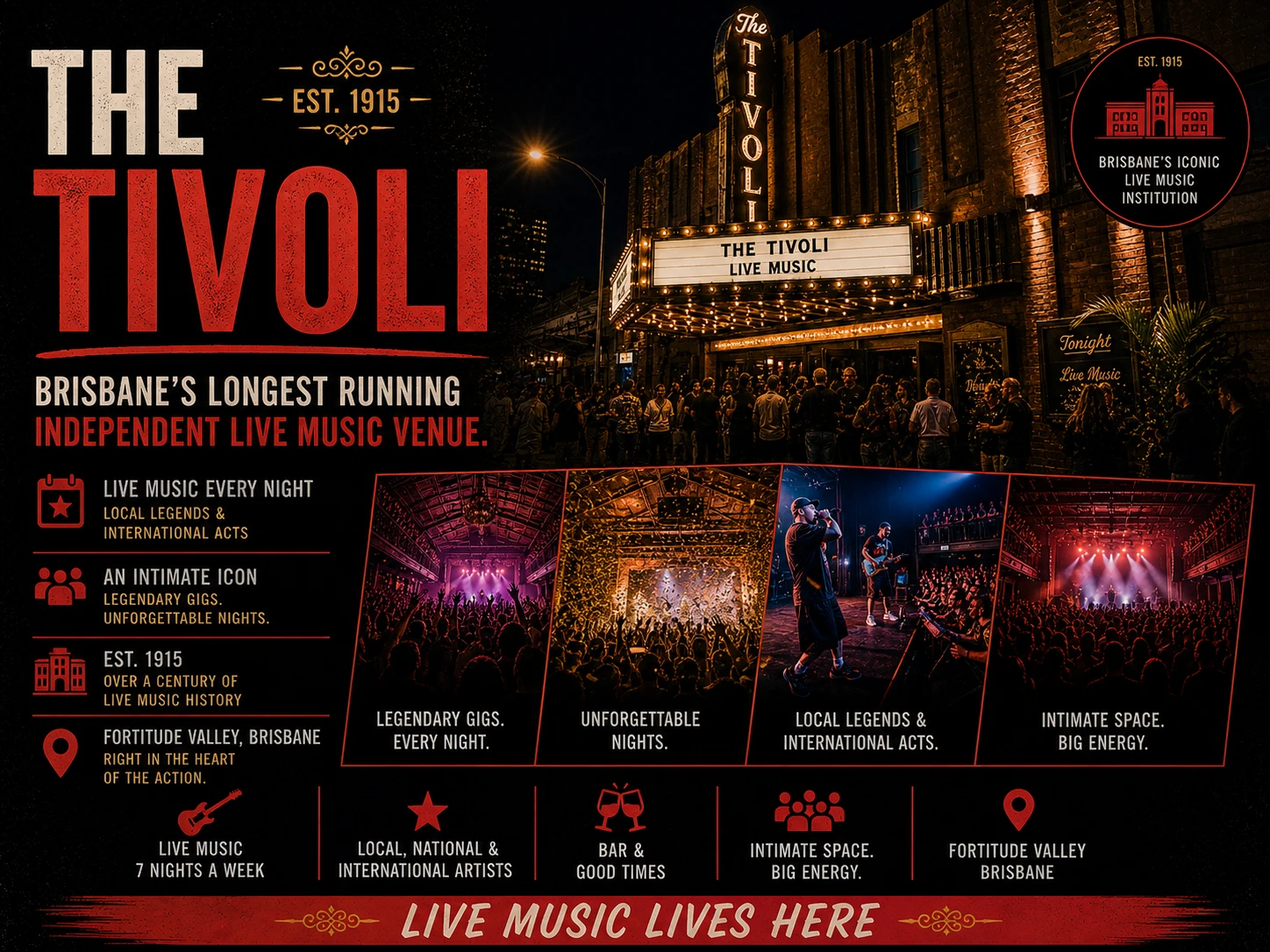
The Tivoli is probably the closest thing Brisbane has to a universally respected music venue. Not the biggest. Not the newest. Not the flashiest. Just the one almost everybody likes. For decades, if a band, artist or promoter talked about having a great Brisbane show, there's a good chance it happened at The Tivoli. The venue has built a reputation that goes beyond its size because it consistently delivers something a lot of modern venues struggle to create: atmosphere. Part of that comes from the building itself. Hidden down Costin Street behind the chaos of Fortitude Valley, The Tivoli doesn't reveal much from the outside. Then you walk through the doors and suddenly you're inside this strange mix of old theatre, rock venue, cabaret hall and music institution. Red curtains, balconies, art deco details, mezzanines and low-lit corners give the room character that most modern black-box venues completely lack. The building has lived multiple lives. It started as Adams Bakery in the early 1900s, spent time storing rare books for the State Library, then was transformed into a theatre inspired by the famous Parisian cabaret venue Paradis Latin during Brisbane's Expo 88 era. Somehow all those layers still feel present when you're inside. What really makes The Tivoli important though is its role in Brisbane's music culture. Before Fortitude Music Hall arrived, The Tiv was the room that sat perfectly between tiny clubs and giant arenas. Big enough to feel significant, small enough that artists could still connect with the crowd. Thousands of Brisbane music fans have their own "I saw them before they got huge" story and a ridiculous number of those stories happened here. The venue has hosted everyone from local Brisbane bands grinding through early tours to international artists who could easily fill much larger rooms. Unlike arena shows where half the audience watches screens, The Tivoli still feels close. Even from the back balcony you feel connected to what's happening on stage. That's a big reason artists love playing it. There's also something increasingly rare about the place: it survived. Brisbane has a long history of destroying its cultural landmarks. Festival Hall disappeared. Cloudland was demolished. Countless smaller venues have vanished under development pressure. Even recently, iconic venues like The Zoo have struggled to survive as costs, regulations and property values reshape the city. The Tivoli was nearly lost to redevelopment itself before being purchased and preserved by owners who understood what it meant to Brisbane's music scene. That survival matters because The Tivoli feels like one of the last links between old Brisbane and the city that exists now. You can feel it when the lights go down. The room isn't polished enough to feel corporate. It isn't rundown enough to feel neglected. It sits in that sweet spot where the building still feels alive β€” like thousands of gigs, generations of crowds and decades of music have left something behind in the walls. A lot of venues host concerts. The Tivoli feels like it remembers them.

The Triffid
Live Music

The Triffid

πŸ“ Newstead Β· Featured

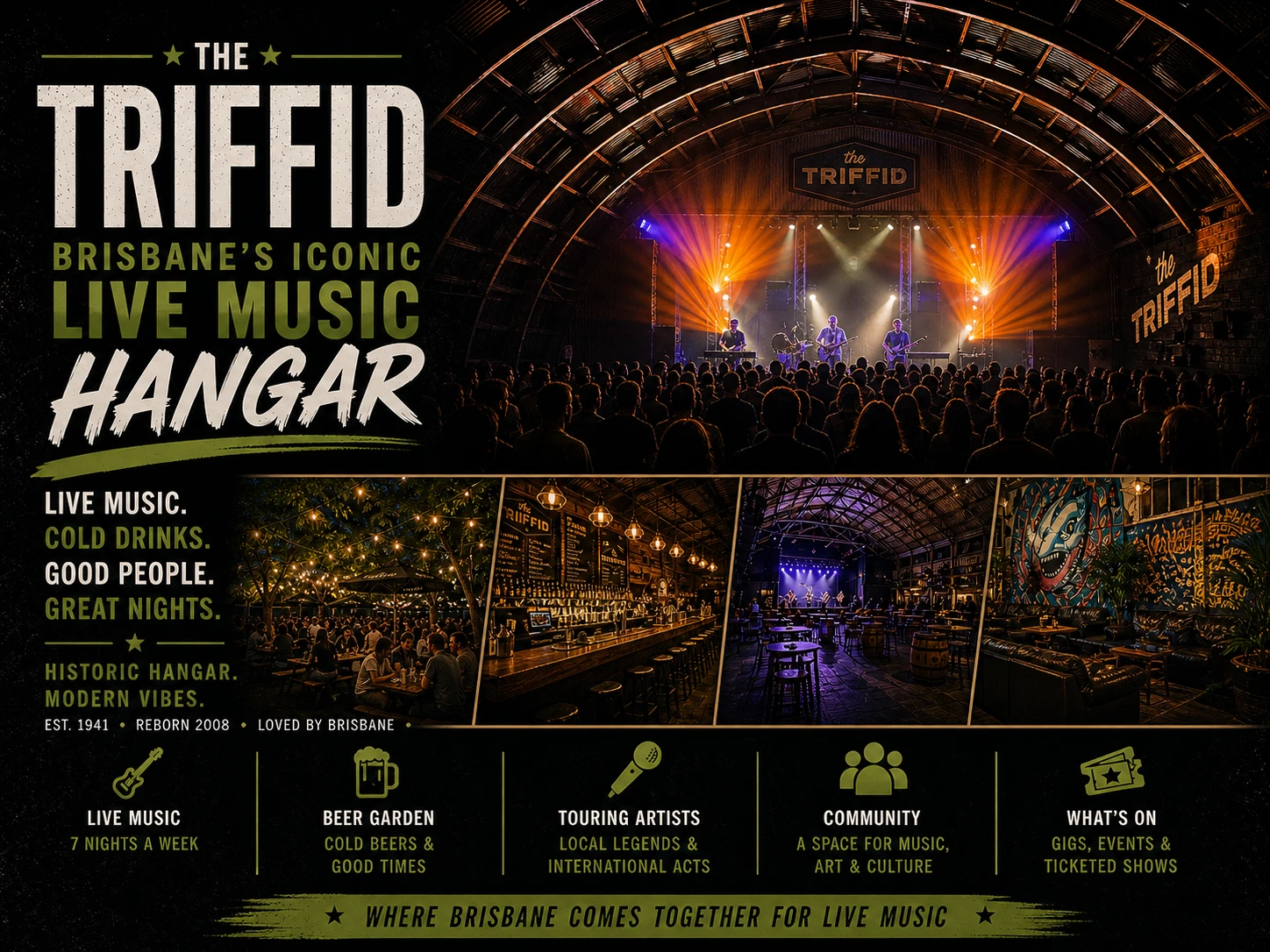
Located in Newstead just outside Fortitude Valley, The Triffid has become one of Brisbane’s most iconic live music venues since opening in 2014. Housed inside a restored World War II aircraft hangar, the venue combines industrial heritage architecture with modern production, creating one of the most distinctive concert experiences in Queensland. The venue was founded by former Powderfinger bassist John Collins alongside major Australian music industry figures Paul Piticco, Jessica Ducrou and Brett McCall. Drawing from decades of touring experience, the team designed a venue focused equally on audience comfort, artist experience and sound quality. The Triffid features an approximately 800-capacity live room paired with a large outdoor beer garden built from converted shipping containers and open-air gathering spaces. The combination of indoor concerts and outdoor social areas gives the venue a unique atmosphere that differs from traditional theatres and nightclubs. Known for its excellent acoustics and artist-friendly design, The Triffid has hosted an enormous range of international and Australian acts across indie, rock, hip-hop, electronic music, punk, metal, folk and alternative genres. Over the past decade it has become one of Brisbane’s most respected and influential live music venues. Its location between Newstead, James Street and Fortitude Valley places it within easy reach of Brisbane’s entertainment precinct while maintaining a slightly more relaxed atmosphere than the centre of the Valley.

Wonderland Brisbane
Night Club

Wonderland Brisbane

πŸ“ Fortitude Valley Β· Featured

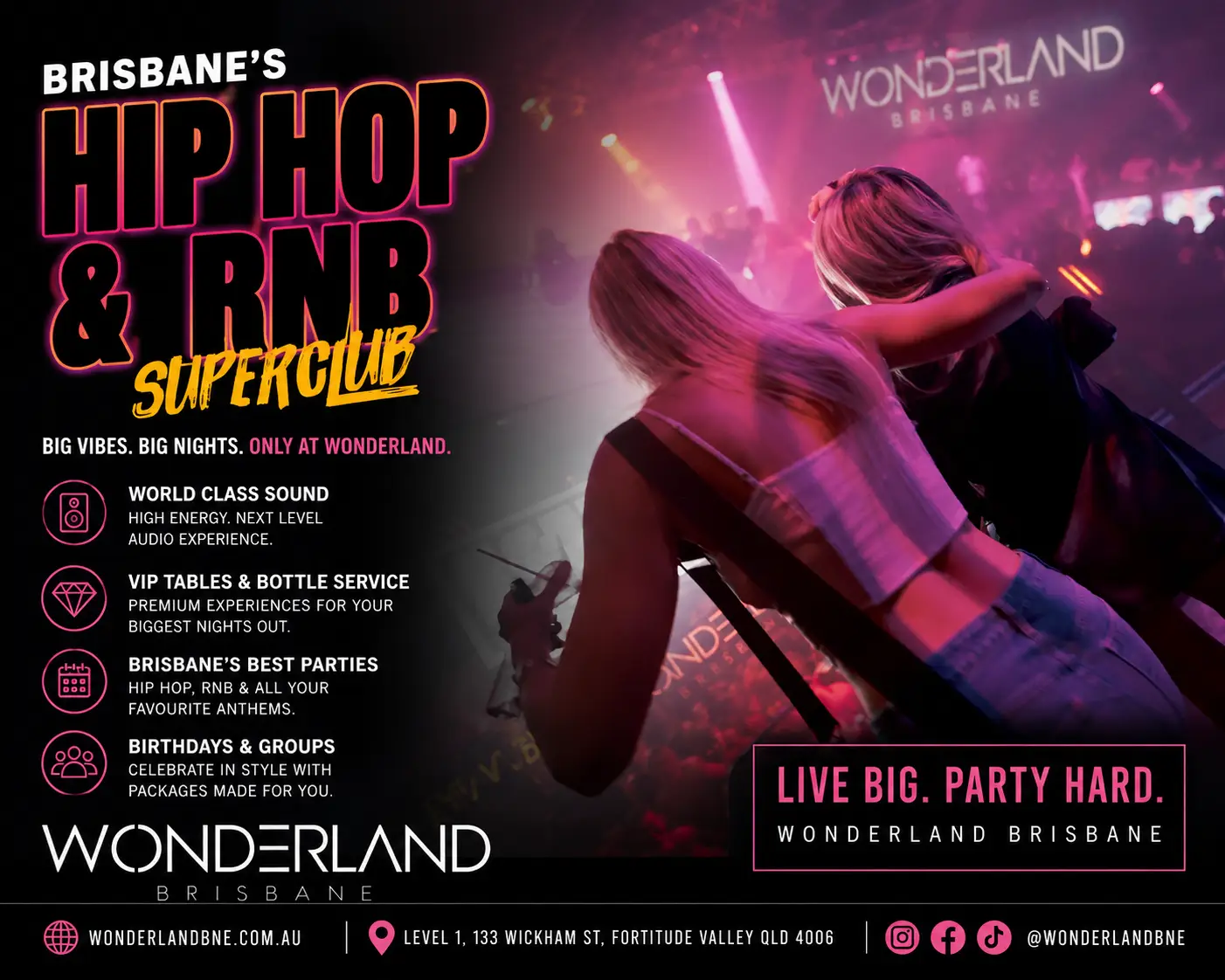
Wonderland feels like Brisbane looked at Miami, Las Vegas and the peak EDM era of Fortitude Valley nightlife, then tried to cram all of it into one building. Sitting on Ann Street in the middle of the Valley, Wonderland was built to be big, loud and impossible to ignore. It doesn't really operate like a traditional nightclub. It operates more like a nightlife complex β€” multiple rooms, multiple music styles, VIP sections, giant LED screens, live performers, bottle service, roaming hosts and enough lighting equipment to make half the Valley glow. The venue arrived during a period where Brisbane nightlife was shifting again. For years, the Valley's identity was built around live music venues, indie clubs and long-running institutions. Then a new generation of venues started appearing that were more influenced by social media culture, international clubbing trends and large-scale nightlife experiences. Wonderland became one of the clearest examples of that transition. Unlike places such as The Tivoli or The Triffid where the venue itself often becomes part of the performance, Wonderland is built around energy. Everything is designed to keep the room moving. Huge screens. Heavy lighting. Big DJ drops. Crowd interaction. VIP culture. The entire venue feels engineered around the idea that something should always be happening somewhere. Its identity is heavily tied to hip-hop, R&B and commercial party culture. While plenty of Brisbane clubs move between genres depending on the night, Wonderland has positioned itself as one of the city's main homes for hip-hop-driven nightlife. The venue regularly hosts club events, touring artists, themed parties and large-scale social nights that pull crowds from across Brisbane's university, nightlife and festival scenes. What's interesting about Wonderland is that it represents a newer version of Fortitude Valley. Older Brisbane nightlife was built around pubs, band rooms and smaller clubs where the atmosphere came from the crowd. Wonderland flips that around. The atmosphere is part of the production. The room itself is designed to feel like the event. On busy nights the place can feel completely chaotic in the way only Fortitude Valley really can. Different music spilling between rooms, lines forming for VIP areas, DJs pushing the crowd harder as the night gets later and hundreds of people moving between levels trying to figure out where the biggest party is happening. That's a huge part of why people keep going back. Whether you think it's Brisbane's best club or not almost depends on what you want from a night out. If you're chasing intimate live music, underground culture or old-school venue character, there are better options. If you want oversized nightlife, huge crowds, loud music, VIP tables and the feeling that the entire venue is operating at maximum volume, Wonderland was built specifically for that purpose. In many ways, Wonderland feels like the modern Fortitude Valley nightlife machine in its purest form β€” fast, flashy, crowded, unapologetically commercial and completely committed to giving people a massive night out.

Archive Beer Boutique
Alternative Late-Night Venue

Archive Beer Boutique

πŸ“ West End

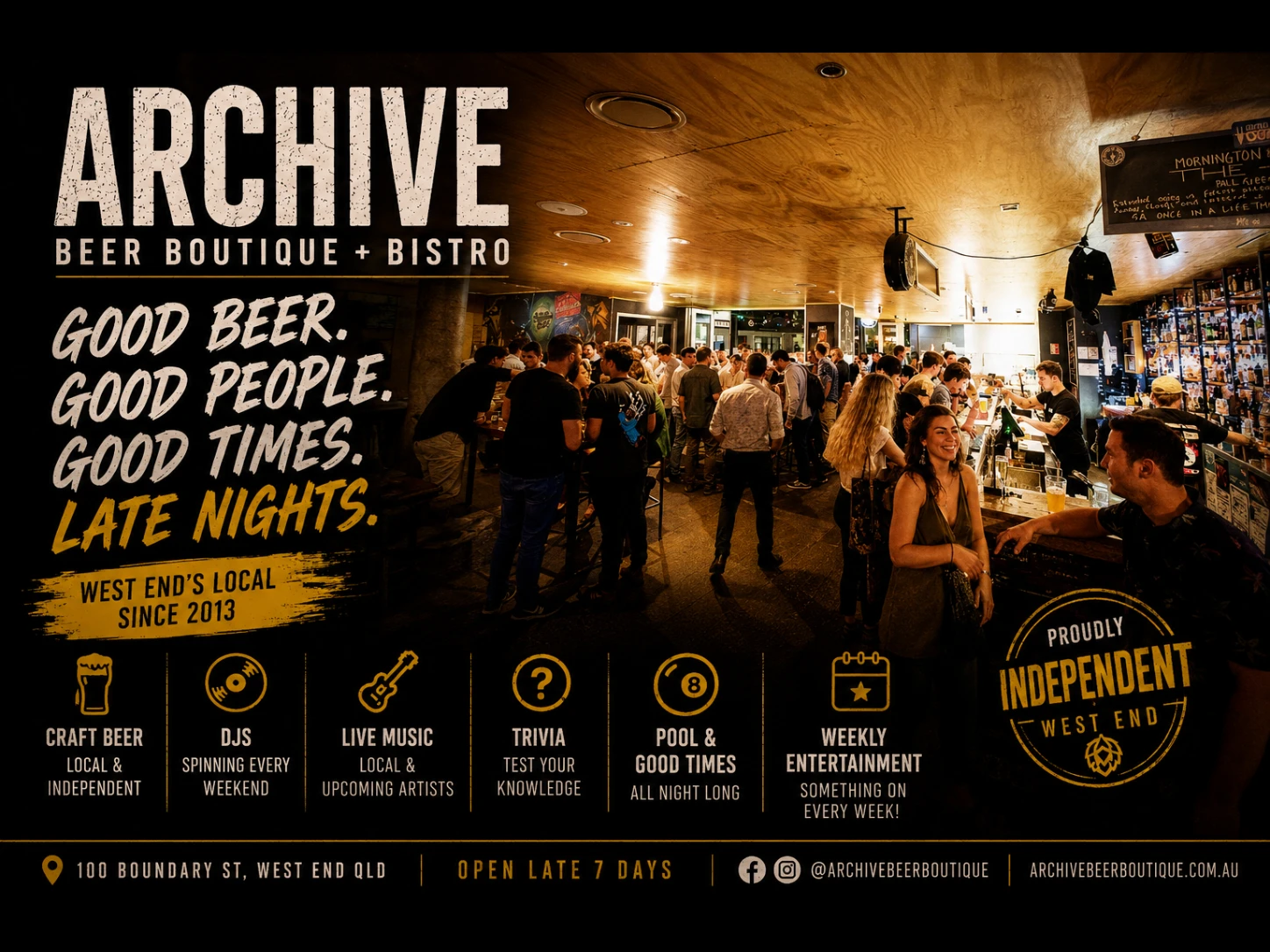
Archive is one of the venues that helped change Brisbane's drinking culture before most people even realised it was happening. Back when XXXX Gold still dominated nearly every pub tap in Queensland and "craft beer" sounded like something only Melbourne cared about, Archive was already building an identity around imported beers, independent breweries and drinking culture that went beyond whatever the major beer companies were pushing. When it opened in West End, the idea of a venue dedicated almost entirely to craft beer was considered a gamble. It ended up becoming one of the most influential beer venues Brisbane has ever had. Sitting on Boundary Street in the middle of West End, Archive feels very different from the polished hospitality venues that dominate newer parts of Brisbane. It has always carried a slightly rougher, more local energy. Pool tables, late-night crowds, live music, DJs, beer nerds arguing about IPAs, hospitality workers finishing shifts and West End regulars all somehow end up sharing the same space. What made Archive important wasn't just the beer list. It was timing. The venue arrived before Brisbane's craft beer boom properly exploded. Long before brewery taprooms started appearing across the city, Archive was introducing people to independent Australian breweries, imported beer styles and rotating tap lists that were uncommon in Queensland at the time. It became a gateway venue for an entire generation of Brisbane drinkers discovering craft beer for the first time. Over the years the venue evolved into something much bigger than a specialist beer bar. Multiple levels, late trading hours, live music, functions, DJs and a strong food offering helped turn it into one of West End's core nightlife institutions. Even as trends changed and dozens of newer venues appeared, Archive remained one of the few places that could feel like a casual afternoon pub, a live music venue and a late-night party spot depending on what time you arrived. Part of the reason it has survived is because it reflects West End itself. The suburb has always sat slightly outside mainstream Brisbane culture. More alternative, more creative, less interested in appearances. Archive fits that personality perfectly. It never felt like a venue chasing luxury or exclusivity. It felt like a place built around people hanging around longer than they planned to. The venue's position directly opposite the massive West Village redevelopment also creates an interesting contrast. On one side sits one of Brisbane's fastest-changing urban precincts. On the other sits a venue that still feels connected to the older version of West End that existed before cranes, luxury apartments and large-scale redevelopment reshaped the suburb. These days Archive remains one of Brisbane's best-known late-night beer venues, with hundreds of local and international beers, regular live entertainment and one of the strongest nightlife presences anywhere outside Fortitude Valley. A lot of Brisbane venues became popular because they followed trends. Archive became important because it helped create one.

Bonnie Doon Public House
Nostalgic Pub

Bonnie Doon Public House

πŸ“ Fortitude Valley

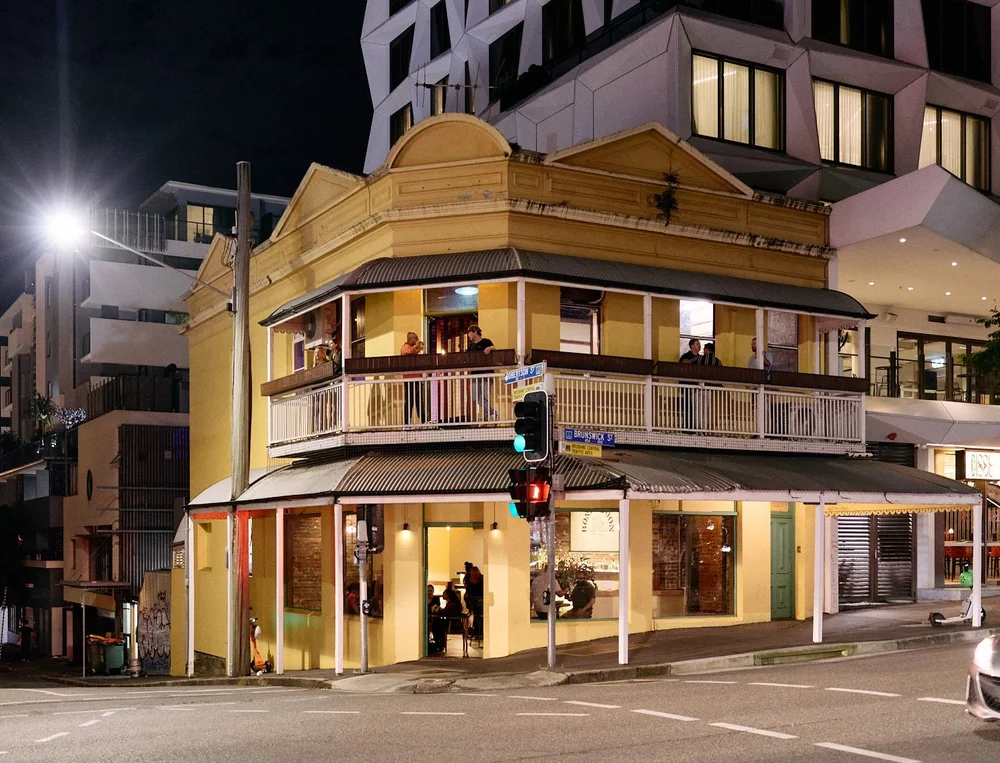
A classic slice of serenity Bonnie Doon Public House is your new favourite local – a laid-back Aussie pub with a big dose of nostalgia and plenty of personality. Inspired by classic Australiana vibes, it’s the kind of place where you can kick back with a cold one, dig into some proper tucker, and feel the serenity. The drink list is stacked with top-notch craft beers, lofi wines and fun, creative cocktails, while the kitchen is turning out a fresh spin on Aussie family favourites with elevated pub grub that still hits you right in the childhood memories. Whether you're popping in for a cheeky drink, catching up with mates, or settling in for a feed that feels like home (but better), Bonnie Doon is all about good times. See you there. Join us for Golden Hour from 4-6pm every weekday arvo and don't miss our recovery Sunday with oysters, Bloody Marys, prawn cocktails and bug sandos.

Brighton Homes Arena
Event Venue

Brighton Homes Arena

πŸ“ Springfield Central

Brighton Homes Arena is listed on Brisbane Party Guide because it has upcoming events available through Ticketmaster. Venue details may be updated by the Brisbane Party Guide team.

Brisbane Showgrounds
Event Venue

Brisbane Showgrounds

πŸ“ Bowen Hills

Brisbane Showgrounds is listed on Brisbane Party Guide because it has upcoming events available through Ticketmaster. Venue details may be updated by the Brisbane Party Guide team.

Cbus Super Stadium
Event Venue

Cbus Super Stadium

πŸ“ Robina Gold Coast

Cbus Super Stadium is listed on Brisbane Party Guide because it has upcoming events available through Ticketmaster. Venue details may be updated by the Brisbane Party Guide team.

Chandler Theatre
Event Venue

Chandler Theatre

πŸ“ Chandler

Chandler Theatre is listed on Brisbane Party Guide because it has upcoming events available through Ticketmaster. Venue details may be updated by the Brisbane Party Guide team.

Coolangatta Beach
Event Venue

Coolangatta Beach

πŸ“ Coolangatta

Coolangatta Beach is listed on Brisbane Party Guide because it has upcoming events available through Ticketmaster. Venue details may be updated by the Brisbane Party Guide team.

Kawana Sports Precinct
Event Venue

Kawana Sports Precinct

πŸ“ Bokarina

Kawana Sports Precinct is listed on Brisbane Party Guide because it has upcoming events available through Ticketmaster. Venue details may be updated by the Brisbane Party Guide team.

Mercure Resort
Event Venue

Mercure Resort

πŸ“ Carrara

Mercure Resort is listed on Brisbane Party Guide because it has upcoming events available through Ticketmaster. Venue details may be updated by the Brisbane Party Guide team.

Musgrave Park, Gold Coast
Event Venue

Musgrave Park, Gold Coast

πŸ“ Southport

Musgrave Park, Gold Coast is listed on Brisbane Party Guide because it has upcoming events available through Ticketmaster. Venue details may be updated by the Brisbane Party Guide team.

Pat Rafter Arena
Event Venue

Pat Rafter Arena

πŸ“ Tennyson

Pat Rafter Arena is listed on Brisbane Party Guide because it has upcoming events available through Ticketmaster. Venue details may be updated by the Brisbane Party Guide team.

Riverstage
Event Venue

Riverstage

πŸ“ Brisbane

Riverstage is listed on Brisbane Party Guide because it has upcoming events available through Ticketmaster. Venue details may be updated by the Brisbane Party Guide team.

Roma Street Parkland
Event Venue

Roma Street Parkland

πŸ“ Brisbane

Roma Street Parkland is listed on Brisbane Party Guide because it has upcoming events available through Ticketmaster. Venue details may be updated by the Brisbane Party Guide team.

Sandstone Point Hotel
Event Venue

Sandstone Point Hotel

πŸ“ Sandstone Point

Sandstone Point Hotel is listed on Brisbane Party Guide because it has upcoming events available through Ticketmaster. Venue details may be updated by the Brisbane Party Guide team.

Secret Venue TBA
Event Venue

Secret Venue TBA

πŸ“ Brisbane

Secret Venue TBA is listed on Brisbane Party Guide because it has upcoming events available through Ticketmaster. Venue details may be updated by the Brisbane Party Guide team.

Suncorp Stadium
Event Venue

Suncorp Stadium

πŸ“ Milton

Suncorp Stadium is listed on Brisbane Party Guide because it has upcoming events available through Ticketmaster. Venue details may be updated by the Brisbane Party Guide team.

The Brightside
Event Venue

The Brightside

πŸ“ Fortitude Valley

The Brightside is listed on Brisbane Party Guide because it has upcoming events available through Ticketmaster. Venue details may be updated by the Brisbane Party Guide team.

The Gabba
Event Venue

The Gabba

πŸ“ Woolloongabba

The Gabba is listed on Brisbane Party Guide because it has upcoming events available through Ticketmaster. Venue details may be updated by the Brisbane Party Guide team.

The Outpost Bar
Event Venue

The Outpost Bar

πŸ“ Fortitude Valley

The Outpost Bar is listed on Brisbane Party Guide because it has upcoming events available through Ticketmaster. Venue details may be updated by the Brisbane Party Guide team.

The Prince Consort
Event Venue

The Prince Consort

πŸ“ Fortitude Valley

The Prince Consort is listed on Brisbane Party Guide because it has upcoming events available through Ticketmaster. Venue details may be updated by the Brisbane Party Guide team.

The Warehouse
Club and Event Venue

The Warehouse

πŸ“ Fortitude Valley

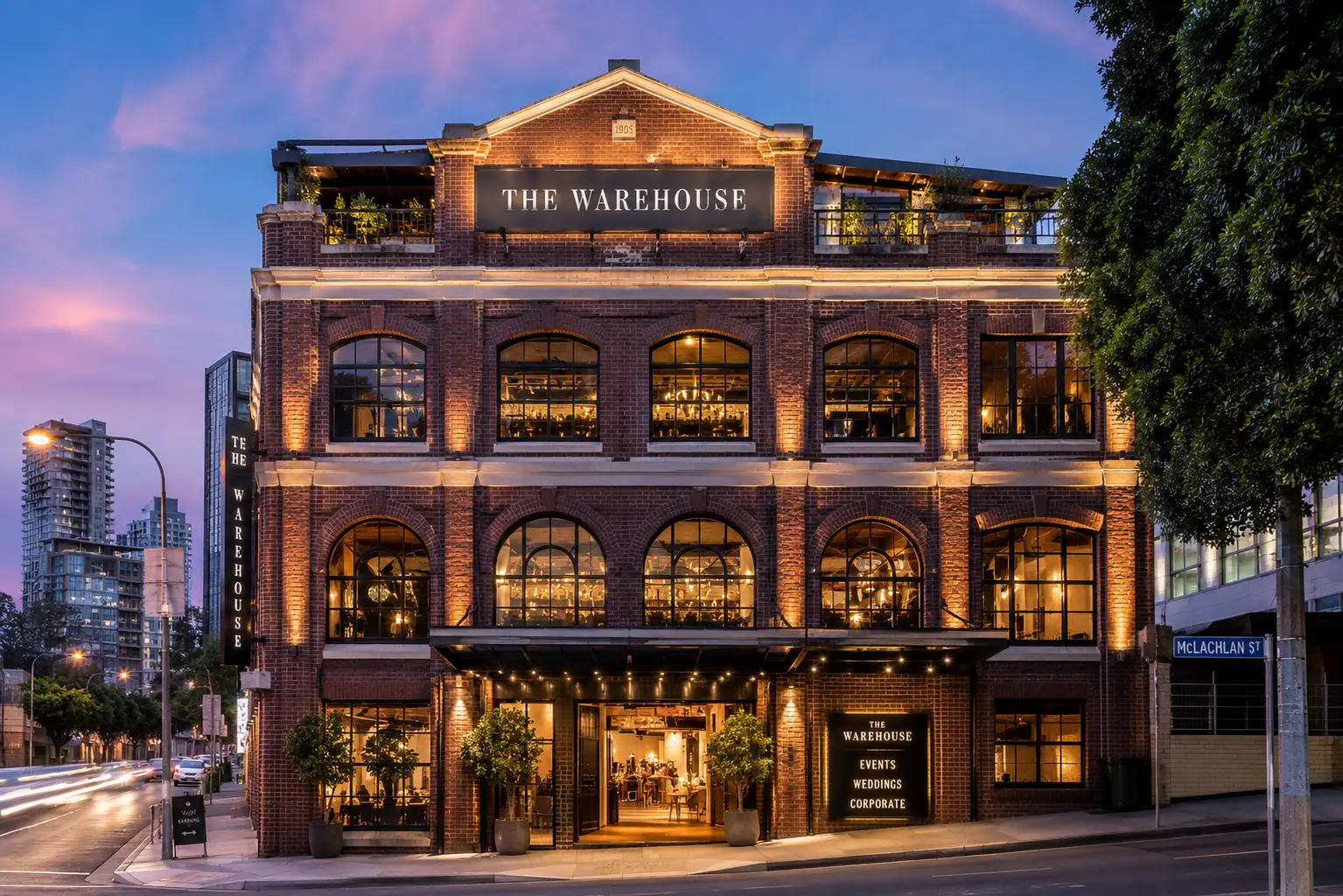
The Warehouse is a premium heritage-listed event, wedding, and function venue located at 8 McLachlan Street, Fortitude Valley, Brisbane. Originally built in 1905 as a drapery warehouse, the building has been extensively restored and transformed into a multi-level events destination that blends historic character with modern event facilities. Key Features Heritage Federation-era architecture with exposed brickwork, timber beams, original arch windows, and industrial-chic styling. Four levels of event space including: The Hall The Auditorium The Loft Machinery Lounge Rooftop Terrace In-house event management, styling, audiovisual production, and catering services. Flexible layouts suitable for weddings, corporate functions, conferences, gala dinners, exhibitions, awards nights, birthday celebrations, and private events. Capacity Depending on the space used: Small meetings from 10 guests Banquet functions up to 200+ guests Cocktail-style events up to 1,000 guests in The Hall. Weddings The venue is particularly well known for weddings, offering: Ceremony and reception spaces Custom food and beverage packages Dedicated wedding coordinators Rooftop sunset photography opportunities Private bridal preparation areas. Corporate Events Popular for: Conferences Product launches Awards nights Team-building events Gala dinners and exhibitions. Location Located in the heart of Fortitude Valley: Approximately 300m from Fortitude Valley Train Station Walking distance to Brisbane CBD Close to public transport and parking facilities. Overall Impression The Warehouse positions itself as a high-end, visually impressive venue combining Brisbane heritage architecture with modern event production capabilities. It is designed for clients seeking a unique and sophisticated setting rather than a standard hotel ballroom or conference centre.